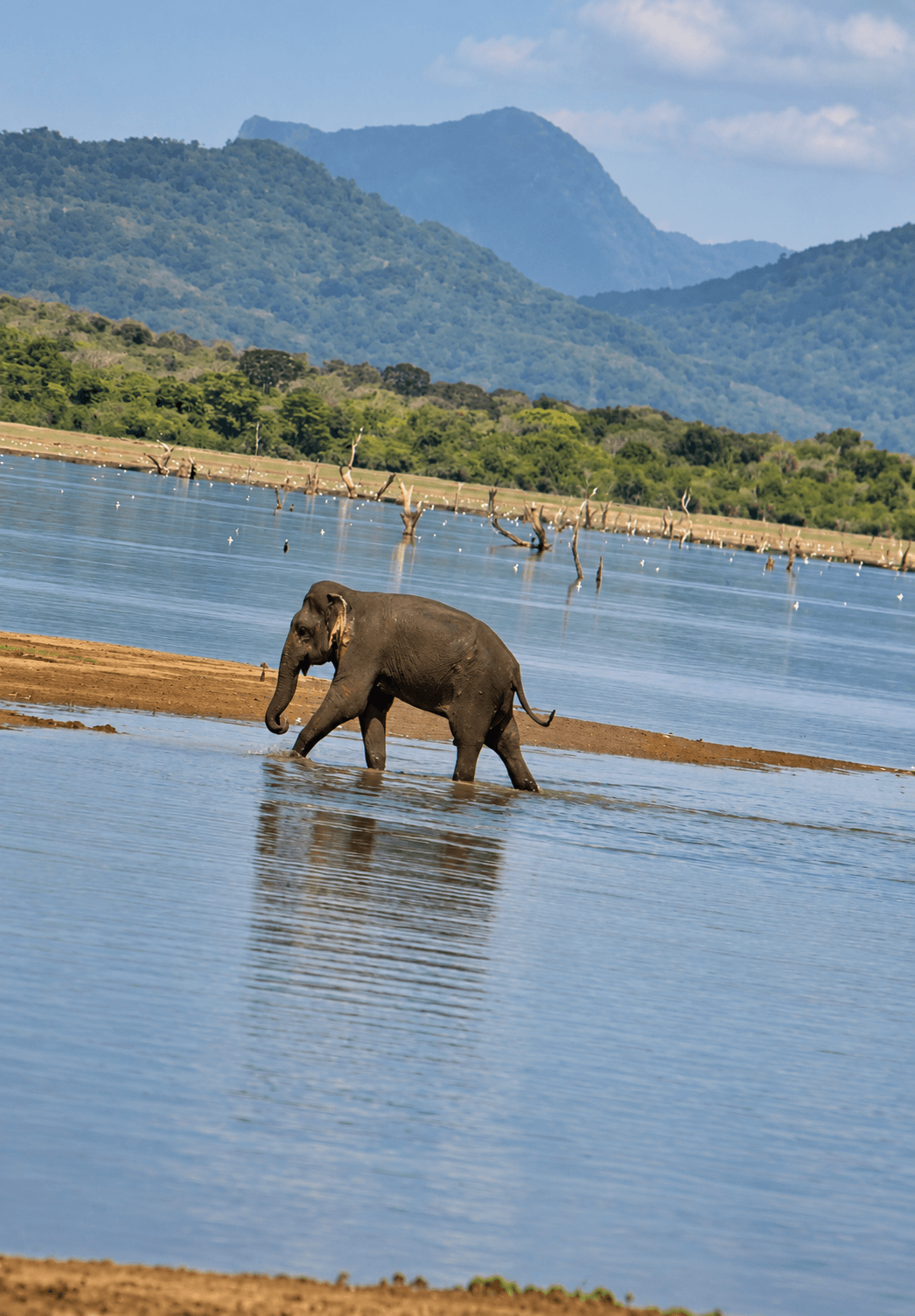

Section 1: The Conservation Crucible of Ruhuna: Island Biogeography & Pressures
Yala National Park is not merely a premier wildlife tourism destination; it is an ecological ark of international significance, situated within one of the world's 36 recognized biodiversity hotspots: the Western Ghats and Sri Lanka. On an island nation with one of the highest human population densities on earth (over 340 people per square kilometer), maintaining an expansive wilderness complex of nearly 1,000 square kilometers is an ongoing triumph of conservation biology, legislative fortitude, and frontline dedication.
However, the park faces unprecedented 21st-century conservation pressures: 1. **Habitat Fragmentation & Corridor Encroachment:** Agricultural expansion, highway infrastructure, and expanding human settlements along park buffer zones constrict the ancient migratory routes of megafauna, particularly Asian elephants. 2. **Human-Wildlife Conflict (HWC):** Agricultural crop raiding by elephants and occasional cattle predation by boundary leopards ignite tense flashpoints with local farming communities bordering the park. 3. **Invasive Alien Species:** Aggressive alien plants such as *Prosopis juliflora* (Mesquite) and *Opuntia dillenii* (Prickly Pear cactus) threaten native grasslands, while thousands of feral domestic cattle (*Bos indicus*) compete with wild herbivores for limited forage. 4. **Illegal Poaching & Wire Snares:** While megafauna poaching within core park sectors has been largely eradicated through ranger vigilance, buffer zones remain vulnerable to illegal meat hunting targeting spotted deer, sambar, and wild boar via deadly wire snares. 5. **Over-Tourism & Safari Vehicle Density:** Unregulated safari traffic in popular sectors of Block 1 creates dust pollution, acoustic disturbance, and behavioral stress for apex predators.
Safeguarding Yala requires far more than passive border fencing; it demands **active, science-driven ecological stewardship, cutting-edge telemetry, rigorous veterinary medicine, and deep community co-management**. This comprehensive masterclass explores the complex conservation systems protecting Ruhuna’s fragile ecosystems.
Section 2: Legislative Architecture: Fauna and Flora Protection Ordinance & CITES
The legal bedrock of wildlife protection in Sri Lanka is the **Fauna and Flora Protection Ordinance (FFPO) No. 2 of 1937**, one of Asia's earliest and most comprehensive environmental statutes:
1. Categories of Protected Areas under the FFPO: - **Strict Natural Reserves (SNRs):** Highest degree of protection. Pure scientific refuges where human entry is strictly prohibited except for accredited ecological researchers. - **National Parks (e.g., Yala Blocks 1–5, Lunugamvehera, Udawalawe):** Inviolable state sanctuaries where wildlife and habitats are fully protected. Controlled tourism is permitted exclusively along designated tracks under licensed guides. Commercial timber extraction, mining, agriculture, livestock grazing, and permanent human habitation are strictly prohibited by law. - **Sanctuaries (e.g., Katagamuwa, Nimalawa):** Protected buffer belts where private land ownership is permitted, but all hunting, capturing, or killing of wild fauna and destruction of natural flora is a criminal offense.
2. Legal Penalties and International Treaties: - **Strict Penalties for Poaching:** Under recent FFPO amendments, killing or capturing an endangered species (such as a leopard, elephant, or sloth bear) carries mandatory non-bailable criminal arrest, confiscation of vehicles and firearms, and imprisonment for up to five years alongside severe financial penalties. - **CITES Enforcement:** Sri Lanka is a signatory to the **Convention on International Trade in Endangered Species of Wild Fauna and Flora (CITES)**. All international trade in specimens, parts, or derivatives of Sri Lankan leopards (*Appendix I*), Asian elephants (*Appendix I*), and pangolins is strictly criminalized. Customs and wildlife taskforces at Colombo's port and airport intercept illegal wildlife trafficking syndicates.
Section 3: The Frontline Guardians: Department of Wildlife Conservation (DWC) Rangers
The true heroes of Yala's survival are the dedicated officers of the **Department of Wildlife Conservation (DWC)**. Stationed across remote ranger posts (Palatupana, Yala, Galge, Kumbukkan, Sithulpawwa), these rangers operate under grueling conditions:
2. Ranger Training & Equipment: Modern rangers undergo rigorous physical conditioning, tactical weapons training, wilderness first aid, legal evidence gathering, and GPS mapping instruction at the DWC Training Center in Giritale. Patrol teams are equipped with modern communication radios, GPS tracking receivers, and solar-powered surveillance camera traps deployed along vulnerable border sectors.
Section 4: Human-Elephant Conflict (HEC) Science: Fences, Corridors & Coexistence
The Human-Elephant Conflict (HEC) represents the single most acute conservation and humanitarian challenge in Sri Lanka. Each year, over 400 wild elephants and approximately 100 humans lose their lives across the island due to train collisions, gunshot injuries, illegal explosive baits (*Hakka Patas*), and retaliatory poisoning.
1. The Ecological Root of the Conflict: Elephants are mega-herbivores requiring up to 150 kilograms of fresh vegetation daily. As agricultural land (paddy cultivation, banana plantations, and vegetable plots) encroaches upon traditional seasonal migratory corridors, elephants are drawn to energy-dense, cultivated crops. A single adult bull elephant can consume an entire family's seasonal agricultural harvest in a single night.
2. Rethinking Electric Fencing: The Community-Based Fencing Revolution: For decades, the state attempted to build long, linear electric fences along administrative forest reserve boundaries. However, pioneering research led by the **Centre for Conservation and Research (CCR)** demonstrated why this strategy failed: - **Elephants Outside Protected Areas:** Over 70% of wild Asian elephants in Sri Lanka reside permanently or seasonally outside state-protected national parks, in human-dominated rural agricultural landscapes. - **Fences in the Wrong Place:** Building fences along park boundaries effectively locked elephants *out* with farmers, while isolating parks *from* the elephants that needed them. - **The CCR Village-Fencing Breakthrough:** Instead of fencing elephants inside forests, conservationists now construct **Community-Based Seasonal Agricultural Electric Fences** directly encircling villages and crop fields. During cultivation months, farmers cooperatively maintain solar electric fences around their paddy tracts. Once the harvest is gathered, the fences are temporarily dismantled, allowing elephants to feed harmlessly on residual crop stubble without damaging livelihoods. This collaborative model has reduced crop losses by over 90% in pilot villages around Yala.
3. Biological Corridors: The Lunugamvehera Connection: Elephants cannot survive in genetically isolated park islands. The establishment of **Lunugamvehera National Park** in 1995 created a vital 23,498-hectare ecological bridge connecting Yala National Park to Udawalawe National Park. This unbroken biological corridor allows continuous genetic exchange and seasonal migration for over 1,000 wild elephants, preventing inbreeding depression.
Section 5: The Sri Lankan Leopard Conservation Project: Telemetry & Genetics
As the island's sole apex predator, the health of the Sri Lankan leopard (*Panthera pardus kotiya*) serves as the ultimate barometer of ecosystem vitality. Dedicated research initiatives, including the **Wilderness & Wildlife Conservation Trust (WWCT)** founded by Dr. Sriyanie Miththapala and Anjali Watson, have driven pioneering scientific conservation:
1. Camera Trap Mark-Recapture Censuses: Because every leopard possesses a unique, immutable spot pattern on its flank and facial whiskers, researchers deploy grids of infrared motion-activated camera traps across Yala Blocks 1 through 5: - **Individual Identification:** Sophisticated pattern-matching software catalogs individual cats, tracking territory tenure, reproductive success, litter sizes, and lifespan. - **Density Calculations:** Research in prime sectors of Block 1 has revealed densities of 1.0 to 1.5 adult leopards per square kilometer — the highest recorded density of wild leopards on Earth.
2. Non-Invasive Genetic Telemetry (DNA Barcoding): Rather than capturing and sedating cats, researchers collect fresh fecal samples (*scat*) from sandy trails: - **DNA Extraction:** Genetic analysis extracts epithelial cells shed from the intestinal wall. - **Population Genetics:** Sequencing mitochondrial DNA and microsatellite loci reveals genetic heterozygosity, verifying that Yala's leopard population maintains robust genetic diversity without evidence of inbreeding depression despite geographic isolation from mainland Asia. - **Dietary Biomass Profiling:** Scat analysis reveals exact prey composition: Spotted deer (*Axis axis*) account for 62% of dietary biomass, followed by Sambar (*Rusa unicolor* - 18%), Wild Boar (*Sus scrofa* - 11%), Tufted Grey Langurs (5%), and small rodents/birds (4%).
Section 6: Sloth Bear Conservation Ecology: Keystone Tree Protection
The Sri Lankan sloth bear (*Melursus ursinus inornatus*) is an endangered, specialized insectivore whose survival depends directly upon undisturbed dry-zone forest ecosystems:
1. Threats to Sloth Bear Survival: - **Habitat Fragmentation:** Unlike leopards, which adapt to secondary scrub and forest edges, sloth bears require large, contiguous tracts of mature, old-growth dry evergreen forest with rocky cave systems for denning. - **Loss of Keystone Fruiting Trees:** The illegal logging of slow-growing hardwood species such as *Manilkara hexandra* (Palu) and *Drypetes sepiaria* (Weera) in buffer zones severely deprives bears of critical seasonal caloric reserves.
2. Conservation Interventions: - **Reforestation & Nursery Programs:** Ecotourism lodges and conservation NGOs operate native dry-zone plant nurseries, propagating thousands of Palu, Weera, and Kumbuk saplings annually for planting along degraded buffer zone corridors. - **Termite Mound Preservation:** Educational campaigns with local agrarian communities emphasize the crucial ecological role of subterranean termites (*Odontotermes redemanni*) as soil aerators and primary food sources for bears, discouraging the destruction of mounds on agricultural boundaries.
Section 7: Marine and Coastal Ecosystem Safeguards: Sea Turtles & Sand Dunes
Yala’s southern boundary is framed by over 60 kilometers of pristine, undeveloped coastline along the Indian Ocean:
1. Sea Turtle Nesting Sanctuaries: The beaches of Patanangala, Buthawa, and Pilinnawa provide vital nesting grounds for five of the world's seven species of marine turtles: - **Olive Ridley Turtle (*Lepidochelys olivacea*):** Vulnerable nesting resident. - **Green Turtle (*Chelonia mydas*):** Herbivorous marine giant. - **Loggerhead Turtle (*Caretta caretta*):** Rare ocean wanderer. - **Hawksbill Turtle (*Eretmochelys imbricata*):** Critically endangered sponge feeder. - **Leatherback Turtle (*Dermochelys coriacea*):** The world's largest sea turtle.
**Threats and Protective Interventions:** Wild boars, monitor lizards, and feral dogs aggressively excavate sea turtle nests on open beaches. DWC ranger teams and community conservation volunteers patrol beaches nightly between November and April, relocating exposed clutches to protected predator-proof beach hatcheries. Once hatchlings emerge, they are released into the open sea under cover of darkness to prevent avian predation.
2. Sand Dune Ecosystem Preservation: Monumental primary sand dunes rising up to 20 meters buffer the park against extreme oceanic storm surges and tsunamis. Off-road driving across sand dunes is strictly banned under park regulations to protect fragile pioneer flora (*Spinifex littoreus*) that binds the sand against coastal erosion.
Section 8: Invasive Alien Flora & Fauna: Mesquite & Feral Cattle Eradication
The integrity of Yala's native grasslands is continually challenged by aggressive non-native species:
1. The Threat of *Prosopis juliflora* (Mesquite / Kalapu Andara): - **Origin & Ecology:** Introduced to Southern Sri Lanka in the early 20th century, *Prosopis* is an aggressive, drought-resistant thorny shrub originating from Central America. It secretes allelopathic biochemical compounds through its root system that inhibit the germination of native grasses, rapidly transforming open grasslands into dense, impenetrable monocultures unpalatable to native herbivores. - **Mechanical Eradication Programs:** The DWC, supported by international conservation grants, conducts ongoing mechanical uprooting and controlled biomass removal operations in Block 1, reclaiming hundreds of hectares of open grazing land for spotted deer and wild buffalo.
2. The Feral Domestic Cattle (*Bos indicus*) Crisis: Thousands of domestic cattle owned by peripheral village herders illegally enter the national park during the dry season: - **Ecological Competition:** Feral cattle overgraze sparse waterhole margins, outcompeting native Sambar, Spotted Deer, and Wild Buffalo. - **Disease Transmission Risk:** Feral cattle introduce risks of bovine tuberculosis, foot-and-mouth disease, and hemorrhagic septicemia to wild ungulate populations. - **DWC Livestock Impoundment:** Rangers conduct regular roundup drives, impounding illegal livestock and levying heavy legal fines on offending cattle owners.
Section 9: Vehicle Congestion Management & Responsible Safari Tourism
Tourism is a double-edged sword: it generates vital foreign exchange revenues for wildlife protection, but excessive, undisciplined vehicle congestion can disrupt animal behavior:
2. The Yala Wild Safari Ethical Driver Code: At Yala Wild Safari, our naturalists follow an uncompromising code of ethical field etiquette: - We never crowd an animal; our vehicles maintain a respectful minimum distance of 15 to 20 meters. - When an animal displays stress signals (ears back, tail swishing, rapid vocalization), we immediately instruct our driver to back away. - Engines are shut down instantly upon halting to ensure quiet viewing without exhaust fumes or mechanical vibration. - We strictly ban the use of two-way radio shouting or mobile phone hunting convoys that trigger chaotic vehicle rushes.
Section 10: Wildlife Veterinary Field Operations & Rescue Logs
Wildlife medicine in the remote dry zone requires extraordinary clinical courage and field skill. The DWC maintains a dedicated Southern Wildlife Veterinary Unit stationed in Udawalawe and Palatupana:
1. Field Sedation and Immobilization Protocols: Treating a 4,500-kilogram wild elephant or an injured 80-kilogram leopard in dense thorny scrub requires precision pharmacology: - **Veterinary Darting:** Utilizing specialized CO2-powered Dan-Inject dart rifles mounted with 3ml to 5ml aluminum darts. - **Anesthetic Regimens for Elephants:** Large bulls are immobilized using etorphine hydrochloride (M99) or thiafentanil paired with azaperone, monitored closely by veterinary teams checking trunk reflex and respiration rates. - **Reversal Antagonists:** Diprenorphine (M5050) or naltrexone administered intravenously into ear veins allows the animal to recover and stand within two minutes of completing surgery.
2. Wire Snare Removal and Wound Debridement: - The veterinary team regularly treats wild elephants that have stepped into wire snares set outside park borders. - Deep, necrotic wounds around limbs are surgically debrided, flushed with hydrogen peroxide and povidone-iodine solutions, packed with topical antibiotic maggot deterrents, and treated with long-acting injectable oxytetracycline and anti-inflammatory flunixin meglumine. Over 90% of treated elephants make full clinical recoveries.
Section 11: A 24-Hour Anti-Poaching Patrol Log with DWC Rangers
To document frontline conservation reality, our writer accompanied a four-man DWC ranger patrol into the remote northern wilderness of Block 3:
13:00 PM – Midday Heat & Deserted Poacher Bivouac: Under 36°C heat, the patrol discovers an abandoned temporary poacher camp beneath a rocky granite overhang: ash embers from an extinguished fire, discarded plastic bags, and salt bags used for curing wild meat. The rangers dismantle the shelter, confiscating evidence for forensic fingerprinting.
17:30 PM – Return to Base: Exhausted, dehydrated, with arms scratched by thorns, the patrol arrives back at Galge. Another five animals will live to see tomorrow because four brave men walked the line.
Section 12: Ten Historic Wildlife Rescues in Yala's Modern History
1. **The Rescue of 'Tharindu' the Tusker (2021):** An adolescent bull tusker whose left hind limb was trapped in an agricultural well in the buffer zone. A multi-agency team utilizing backhoes excavated a sloping dirt ramp over 14 hours, allowing the tusker to walk to freedom uninjured. 2. **The Snare Removal on the 'Padikema Male' (2022):** Yala’s celebrated alpha male leopard was darted by DWC veterinarians after a wire snare wrapped around his waist. The snare was surgically excised without abdominal puncture, and the cat made a complete recovery, fathering two subsequent litters. 3. **The Orphaned Elephant Calf of Buthawa (2020):** A two-month-old dehydrated calf abandoned during severe drought was rescued, rehydrated with oral electrolytes, and transferred to the **Elephant Transit Home (ETH)** in Udawalawe, where it is thriving in rehabilitation. 4. **The Beached Pilot Whale Pod at Patanangala (2018):** A pod of fourteen short-finned pilot whales stranded on Yala's coastal beach. Rangers, safari drivers, and visiting tourists mobilized into the surf for six hours, keeping the whales wet and refloating all fourteen back into deep ocean waters. 5. **The Rescued Sea Turtle at Buthawa (2023):** A 120-kilogram Green Sea Turtle trapped in a discarded ghost fishing net washed ashore; rangers cut the net away, treated superficial flipper lacerations, and released the turtle into the surf.
Section 13: Conservation Economics: How Your Safari Fee Directly Protects Wildlife
Many travelers wonder where their park entry fees go. In Sri Lanka, wildlife tourism provides the financial lifeblood of conservation:
1. Breakdown of DWC Park Entry Revenues: Every ticket purchased at Palatupana or Katagamuwa gates contributes directly to state conservation coffers: - **Wildlife Preservation Fund (WPF):** A mandatory statutory percentage of all park gate revenues is allocated directly to the Wildlife Preservation Fund. This capital finances ranger salaries, field equipment purchases, patrol vehicle maintenance, and anti-poaching fuel reserves. - **Community Infrastructure Subsidies:** Portions of tourism revenues are disbursed to border villages to fund solar electric fencing maintenance, compensation for agricultural crop damage caused by elephants, and rural school educational scholarships. - **Veterinary Intervention Budget:** Provides emergency funding for veterinary medications, field darting equipment, and wildlife rescue operations across the Southern wildlife zone.
2. The Local Economic Multiplier Effect: When you embark on a safari with a responsible ethical company like Yala Wild Safari: - Your safari hire directly employs local drivers, mechanics, camp staff, and trackers who reside in adjacent villages. - When local rural families earn a dignified, high-income livelihood from living, breathing wildlife, they become the fiercest defenders of the national park, actively reporting illegal poachers to rangers. Conservation succeeds when local communities are genuine economic partners.
Section 14: Population Genetics & Inbreeding Mitigation in Island Ecosystems
A central topic in contemporary conservation biology is the long-term genetic health of isolated island populations:
1. The Theory of Island Biogeography (MacArthur & Wilson): Because Sri Lanka is an island separated from the Asian continent, its wildlife populations cannot receive natural gene flow from Indian populations. Furthermore, habitat fragmentation inside Sri Lanka threatens to divide populations into isolated genetic pockets.
2. Genetic Heterozygosity in Yala Leopards: Recent peer-reviewed genomic research utilizing microsatellite markers has revealed encouraging findings: - Yala's leopard population maintains high allelic diversity and low coefficient of inbreeding (*F_IS* < 0.05). - This genetic health is preserved because Yala is not a closed island: contiguous biological corridors connect Block 1 through Blocks 2, 3, 4, 5, Lunugamvehera, and into the central mountain forests, allowing sub-adult male leopards to disperse and breed across vast geographic territories. - Maintaining these ecological corridors is therefore the single highest conservation priority for the next half-century.
Section 15: Field Science Deep Dive: Camera Trap Mark-Recapture Methodologies
Camera trapping has revolutionized wildlife censusing:
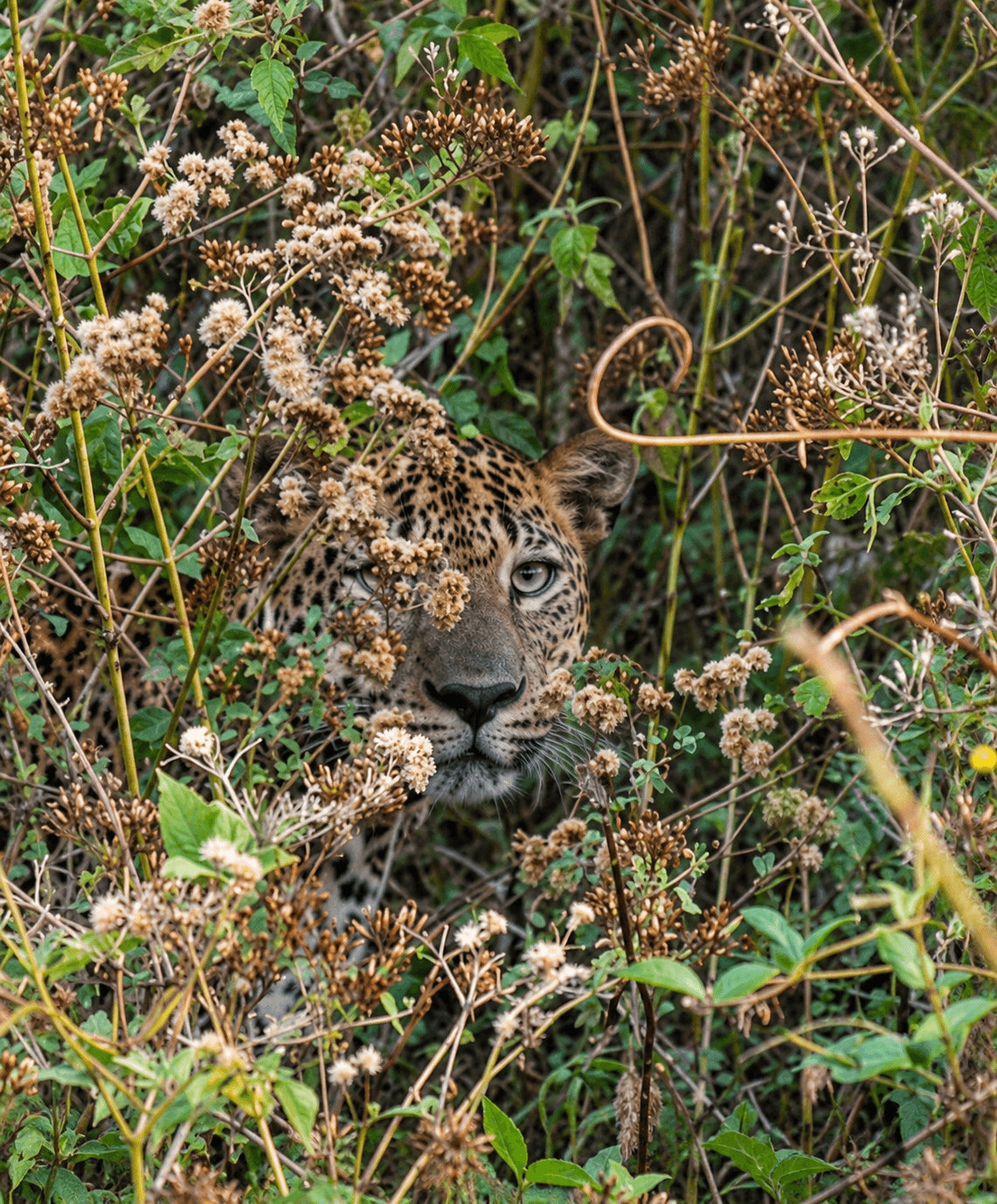
- Passive Infrared (PIR) Sensors: Detect rapid shifts in infrared thermal signatures when an animal crosses the sensor's field of view.
- Trap Placement Geometry: Cameras are deployed in paired opposing stations along natural game trails and dirt roads at an exact height of 45 centimeters (leopard shoulder height). Dual opposing cameras photograph both the left and right flanks of passing animals simultaneously, ensuring comprehensive bilateral rosette matching.
- Spatially Explicit Capture-Recapture (SECR) Models: Biostatistical algorithms analyze the spatial frequency of individual cat captures, calculating statistically robust density estimates and home range boundaries without human bias.
Section 16: Master Conservation Biology Glossary
- *Anthropogenic:* Originating from human activity, particularly regarding environmental impact.
- *Biodiversity Hotspot:* A biogeographic region with significant levels of biodiversity that is threatened by human habitation. Sri Lanka and the Western Ghats represent one of only 36 global hotspots.
- *Biological Corridor:* A geographically continuous strip of natural habitat connecting wildlife populations separated by human infrastructure.
- *CITES:* Convention on International Trade in Endangered Species of Wild Fauna and Flora.
- *FFPO:* The Fauna and Flora Protection Ordinance of Sri Lanka (No. 2 of 1937).
- *Heterozygosity:* The presence of different alleles at a gene locus, representing genetic diversity within a population.
- *Hakka Patas (හක්ක පටස්):* An illegal, cruel improvised explosive bait used by poachers that detonates inside an animal's mouth upon chewing.
- *Allelopathy:* The biological phenomenon where a plant species releases biochemical compounds that inhibit the growth of surrounding plant species (e.g., *Prosopis juliflora*).
- *Keystone Species:* A species on which other species in an ecosystem largely depend, such that if it were removed, the ecosystem would change drastically (e.g., Asian Elephant as seed disperser).
Section 17: Frequently Asked Questions on Yala Conservation
Q1: Is poaching still a major threat to leopards in Yala? **Answer:** Within the core boundaries of Yala National Park, commercial leopard poaching has been effectively eradicated through intensive armed ranger patrols. However, indiscriminate wire snares set by poachers in surrounding buffer zones to catch wild boar remain a significant incidental hazard for roaming leopards.
Q2: How does Yala Wild Safari support local conservation efforts? **Answer:** We donate a percentage of all safari revenues directly to local community electric fence maintenance programs, employ 100% of our tracking team from local villages, operate strict Leave No Trace guidelines, and provide logistics support to DWC veterinary rescue teams.
Q3: What should a tourist do if they witness unethical safari behavior? **Answer:** Note the vehicle registration number and report it immediately to the Chief Ranger Station at Palatupana Gate or to your lead naturalist. The DWC takes disciplinary action against reckless drivers, including suspending park permits.
Q4: Can human-elephant conflict ever be completely resolved? **Answer:** Complete elimination is challenging in a densely populated island, but scientific management—specifically seasonal community agricultural fencing, preserving wide biological corridors, and providing swift crop loss compensation—can transform conflict into sustainable coexistence.
Section 18: The Conservation Covenant & Concluding Call to Action
The wild splendor of Yala is not an inherited luxury; it is a sacred trust borrowed from future generations. Every leopard lounging atop sun-warmed granite, every elephant leading her calf through cooling waters, and every ancient Kumbuk tree whispering in the evening breeze exists today because dedicated men and women stood watch in the thorny scrub.
When you journey through Yala, you are not merely a spectator of nature; you are an active partner in its survival. By choosing ethical safari operators, respecting park wildlife regulations, and championing the frontline work of DWC rangers, you help ensure that the untamed wilderness of Ruhuna will endure forever. Join us as guardians of the wild.
The Ancient Heritage of Wildlife Conservation in Sri Lanka: Two Millennia of Protection
Sri Lanka possesses what is arguably the world's oldest recorded institutional commitment to environmental conservation:
#### 1. The Mihintale Sanctuary of 247 BCE (The World's First Nature Reserve): In the 3rd century BCE, following the introduction of Buddhism to Sri Lanka by Arahant Mahinda, King Devanampiya Tissa embraced the spiritual doctrine of non-harm (*Ahimsa*). When the Arahant encountered the king hunting deer in the royal forests of Mihintale, he delivered an immortal discourse preserved in the ancient chronicle *Mahavamsa*: *'O King, remember that thou art but the trustee of this land, and not the absolute owner. The birds that fly in the air and the beasts that roam the forests have an equal right to live and dwell upon this earth as thou hast.'* Profoundly moved, King Devanampiya Tissa immediately proclaimed the forest surrounding Mihintale as an inviolable royal sanctuary (*Abhaya Bhumi* - 'Land of Safety') where no wild animal, bird, or tree could be harmed. Historical ecologists recognize this royal decree of 247 BCE as the **first documented wildlife sanctuary in human history**, preceding European conservation legislation by nearly two thousand years.
- The famous *Gau-sanda* inscriptions proclaimed royal orders commanding the total cessation of hunting across all royal forests within a radius of several leagues.
- Special decrees prohibited the netting of birds in ancient irrigation lakes (*wewas*) and banned the trapping of fish in sacred reservoirs, mandating that monks and wildlife receive undisturbed sanctuary.
- Massive hunting expeditions decimated thousands of wild elephants and leopards across the island.
- Yala Resident Sportsmen's Reserve covering 389 square kilometers between the Menik Ganga and Kumbukkan Oya.
- Ruhuna National Park, transitioning from a colonial hunting reserve into an inviolable public wildlife sanctuary.
Geospatial Landscape Ecology: Satellite GIS Telemetry & Spatial Corridor Modeling
Modern conservation biology in Yala relies heavily upon high-resolution geographic information systems (GIS) and satellite remote sensing:
- NDVI Spectral Mathematics: Calculates the ratio of near-infrared (NIR) to red light reflectance: *(NIR - Red) / (NIR + Red)*. Healthy green vegetation absorbs red light for photosynthesis while strongly reflecting near-infrared energy.
- Drought Dynamic Tracking: As dry season progresses from May to August, NDVI maps reveal precisely which river valleys and lake basins retain green biomass. This spatial telemetry enables rangers to deploy mobile water tankers to areas where herbivore foraging density exceeds carrying capacity.
- Spatial Movement Vectors: Collars record GPS coordinates every 60 minutes, transmitting data via satellite to research headquarters.
- Corridor Discovery: Telemetry maps revealed that elephants do not move randomly; they navigate ancient, narrow biological corridors spanning just 50 to 100 meters in width between human settlements. Protecting these exact spatial bottlenecks—such as the Galge-Lunugamvehera corridor and the Mattala-Bundala flyway—is critical to preventing human-elephant conflict.
- Density peaks at 1.4 adult cats per square kilometer within a 3-kilometer radius of Buthawa, Padikema, and Kotadumuwehera inselbergs.
- The spatial overlap between male territories averages less than 8%, confirming strict territorial partitioning governed by scent marking and physical boundary avoidance.
Innovative Field Mitigation Technologies for Human-Wildlife Coexistence
Beyond static electric fences, conservation engineers and rural farming communities deploy cutting-edge bio-deterrent systems to protect both crops and elephants:
- Biological Mechanism: While an elephant's thick hide protects it from bee stings across most of its body, the sensitive skin lining the trunk tip, around the eyes, and inside the ears is acutely vulnerable to painful stings. Furthermore, swarming bees enter the trunk nostrils, causing intense distress.
- Fence Architecture: Wooden beehives containing native Asian honeybees (*Apis cerana*) are suspended every 10 meters along agricultural borders, connected by a continuous tension wire. When an elephant attempts to push through the perimeter, the wire jostles the hives, triggering immediate defensive swarming.
- Economic Double-Dividend: Elephants retreat immediately upon hearing the buzzing swarm. Simultaneously, farming families harvest pure organic wild honey from the hives, generating an additional agricultural income stream that transforms elephants from pests into economic assets.
- Chemical Weapon of Nature: Dry-zone birds and mammals react intensely to capsaicin, the active compound in chili peppers (*Capsicum frutescens*).
- Briquette Formulation: Crushed dried bird's-eye chilies are mixed with dry elephant dung and organic resin, compacted into bricks, and set to smolder along downwind agricultural boundaries at dusk.
- Non-Lethal Deterrence: The thick, acrid capsaicin smoke irritates elephants' acute olfactory receptors, prompting them to turn back into forest reserves without suffering permanent physical harm.
- Geophone Arrays: Arrays of sensitive piezoelectric geophones buried 50 centimeters underground along known elephant forest egress corridors detect the unique low-frequency footfall vibrations generated by walking elephants.
- Automated Telemetry Alerts: Microprocessors analyze the waveform frequency. When elephant herds approach within 150 meters of village perimeters, automated SMS alerts are dispatched to village crop guards, who mobilize non-lethal acoustic deterrents before crops are breached.
The DWC Wildlife Ranger Academy Curriculum: Six Pillars of Field Mastery
Field rangers protecting Yala undergo an intensive six-month paramilitary and scientific training curriculum:
- Decoding animal tracks across clay, sand, gravel, and grass.
- Determining time of passage to within 30 minutes based on soil moisture and insect disturbance.
- Forensic ballistics, crime scene preservation, and evidentiary documentation for judicial prosecutions.
- 72-hour autonomous survival in extreme dry-zone conditions with minimal rations.
- Non-instrumental celestial navigation, sourcing emergency water in dry riverbeds, and edible wild plant identification.
- Assisting DWC veterinarians during large mammal darting operations.
- Administering emergency intramuscular antibiotics, monitoring respiratory vitals in sedated megafauna, and deploying reversal antagonists.
- Mediating tense stand-offs between angry farmers and crop-raiding elephant herds.
- Deploying non-lethal thunder flares (*Ali Vedi*) safely without provoking dangerous mock charges.
- Comprehensive mastery of the Fauna and Flora Protection Ordinance (FFPO), Penal Code provisions, and CITES statutory regulations.
- Preparing formal affidavits, securing biological chain-of-custody for seized animal parts, and presenting airtight expert testimony in magistrate courts.
- Sea turtle clutch relocation techniques, managing boat-strike cetacean strandings, and enforcing coastal marine sanctuary boundaries.
Five In-Depth Veterinary Emergency Field Operations in Ruhuna
To showcase the clinical heroism of wildlife veterinarians, we document five complex surgeries performed in the wild:
- Patient: A 42-year-old prime bull elephant suffering from an infected gunshot wound to the left cheek sustained during an illegal crop raid outside the park.
- Clinical Action: Darted with 4mg of etorphine hydrochloride in an open scrub clearing near Galge. The veterinary team excavated 15 centimeters of necrotic bone and tissue, extracting two lead pellets. The cavity was flushed with 40 liters of antiseptic wash, packed with medicinal honey and antibiotic gauze, and the bull was administered long-acting ceftiofur. Reversal was administered, and the bull stood within 90 seconds. Fully recovered and monitored via satellite collar.
- Patient: An 18-month-old male leopard found hanging by his right front paw in a poacher's cable snare near Nimalawa Sanctuary.
- Clinical Action: Sedated with a combination of ketamine and medetomidine. The wire had severed two digital flexor tendons and caused bone necrosis in the fourth digit. Veterinarians performed a clean partial digital amputation under sterile field conditions, sutured the wound, and administered rabies vaccine and antibiotics. The leopard was monitored for three weeks via camera traps and successfully resumed hunting small mammals.
- Patient: A heavily pregnant elephant cow trapped up to her chest in an abandoned brick-clay pit near Thissamaharama.
- Clinical Action: Working through the night under floodlights, DWC teams mobilized heavy backhoes to excavate a 30-meter gently sloping trench. Soft tree logs and sandbags were packed beneath the cow's chest to prevent crush asphyxiation. With straps attached to a supportive harness, two heavy tractors gently assisted the exhausted cow up the ramp. Two weeks later, she gave birth to a healthy calf.
- Patient: A three-month-old female sloth bear cub found unconscious beside a dried-up waterhole during the severe August drought of 2023.
- Clinical Action: Rushed to the Palatupana veterinary clinic suffering from hyperthermia and severe hypovolemic shock. Administered intraosseous fluids into the tibia, slowly cooled with damp cloths, and fed an electrolyte-glucose solution. Within 48 hours, the cub stabilized and was transferred to a specialized wildlife rehabilitation nursery.
- Patient: An adult female Olive Ridley turtle washed ashore at Patanangala with her right front flipper strangulated by monofilament fishing line.
- Clinical Action: Field veterinarians removed the nylon line, performed reconstructive skin flaps over exposed bone, and treated the wound with silver sulfadiazine. Rehabilitated in a saltwater recovery tank for three weeks before a successful beach release witnessed by visiting international school students.
Climate Change Resilience & Adaptive Ecosystem Management in the Dry Zone
The long-term conservation outlook for Southern Sri Lanka is increasingly shaped by global anthropogenic climate change:
- Increased Inter-Annual Rainfall Variability: The Northeast Monsoon (*Maha*) exhibits higher frequency of extreme cloudburst events (over 150mm of rainfall within 24 hours), alternating with prolonged, unseasonal midsummer droughts.
- Ecological Consequences: Extreme flash floods accelerate topsoil erosion along degraded buffer zone slopes, washing silt into ancient irrigation reservoirs and reducing their holding capacity. Conversely, prolonged droughts dry out minor waterholes earlier in the season (by June instead of August), intensifying multi-species competition and human-wildlife encounters along buffer zones.
- De-silting Ancient Reservoirs: Utilizing dry season windows to mechanically remove accumulated silt from historical tanks (*Buthawa, Mahaseelawa, Uraniya*), restoring their original 2,000-year-old depth and water retention capacity.
- Re-establishing Indigenous Deep-Rooted Flora: Planting thousands of *Terminalia arjuna* (Kumbuk) and *Madhuca longifolia* (Mee) trees along riverbanks to stabilize riparian soils, reduce water evaporation through dense canopy shade, and enhance groundwater infiltration.
- Halophyte Ecosystem Monitoring: Marine biologists monitor salinity gradients and the health of native salt-marsh vegetation (*Salicornia brachiata*) to prevent coastal freshwater aquifers from turning hypersaline, ensuring that coastal herbivore herds continue to have access to freshwater drinking points.
The Junior Ranger Program: Empowering the Next Generation of Conservationists
Sustainable conservation cannot be imposed from the top down; it must take root in the hearts and minds of the youth living in surrounding agrarian communities:
- Classroom Curriculums: Teaching dry-zone ecology, bird identification, food web dynamics, and the economic benefits of ecotourism.
- Sponsored Park Safaris: For many village children whose parents are farmers, elephants have historically been viewed solely as dangerous crop destroyers. We sponsor annual full-day safari game drives for rural schoolchildren, guided by senior naturalists. For the first time, children see wild elephants, leopards, and bears through binoculars as wondrous living beings in their natural home, sparking a profound emotional transformation from fear to pride.
- Female naturalists now lead game drives for Yala Wild Safari, serving as inspiring role models within their communities and proving that wildlife conservation provides empowering, dignified economic opportunities for all.
Monastic Hermitages & The Buddhist Ethos of Environmental Stewardship
The presence of ancient Buddhist forest hermitages (*Aranya Senasana*) deep within the jungles of Yala provides a unique cultural safeguard for wildlife:
- The Vinaya Code of Conduct: Under the ancient Buddhist monastic code (*Vinaya Pitaka*), monks are strictly prohibited from causing harm to any sentient creature, cutting living trees, or disturbing natural water sources.
- Sanctuary Aura (*Metta*): Monks practice *Metta* (loving-kindness meditation) toward all living beings. In local folklore and documented historical accounts, wild animals sense this peaceful human presence: leopards frequently lounge on temple granite terraces, and wild elephants drink peacefully from temple water cisterns without displaying hostility toward saffron-robed monks.
#### 2. Monks as Conservation Advocates: When illegal poaching syndicates or commercial agricultural encroachment threaten park borders, respected elder Buddhist monks act as powerful moral advocates, speaking out in defense of the forest and rallying village communities to protect the sacred wilderness.
Wildlife Forensic Science: Dismantling Illegal Poaching Networks
When illegal poaching incursions occur in remote buffer zones, DWC wildlife investigators deploy advanced forensic methodologies to secure convictions in magistrate courts:
- Motorcycle Clutch Cable Snares (The Medium-Game Snare): Constructed from high-tensile braided steel clutch or brake cables salvaged from scrapped motorcycles. Calibrated with a running noose loop anchored to a stout tree trunk, positioned 40 to 50 cm above ground. When a spotted deer, wild boar, or leopard passes through, the wire catches the neck or limb. The more the panicked animal pulls, the tighter the braided steel bites into flesh and bone, cutting blood vessels and causing excruciating, lingering death.
- Heavy Winch Wire Snares (The Big-Game Snare): Thick 6mm industrial steel winch cables anchored to ancient ironwood trees, designed to trap sub-adult elephants. These cause massive limb swelling, septicemia, and eventual death unless surgically excised by DWC veterinary teams.
- Ranger Counter-Snare Tactics: Patrols conduct systematic grid sweeps using polarized sunglasses that detect the glint of sunlight off bare steel wire and powerful hand-held neodymium magnetic detectors swept through leaf litter.
- Mitochondrial Cytochrome b Sequencing: The DWC forensics laboratory in Colombo extracts genomic DNA from meat samples, bones, and dried blood. Polymerase Chain Reaction (PCR) amplification and sequencing of the mitochondrial *Cytochrome b* gene provides 100% taxonomic identification within 24 hours, proving whether meat belongs to protected wild species (*Axis axis*, *Rusa unicolor*, or *Sus scrofa*).
- Forensic Fingerprinting & Toolmark Analysis: Microscopic analysis of cut wire ends matches toolmarks to wire cutters seized from suspect residences, providing airtight evidence that withstands scrutiny in appellate courts.
The Four-Pillar Ecotourism Partnership: A Global Model for Wilderness Survival
The ultimate survival of Yala National Park depends upon the harmonious operation of four interconnected institutional pillars:
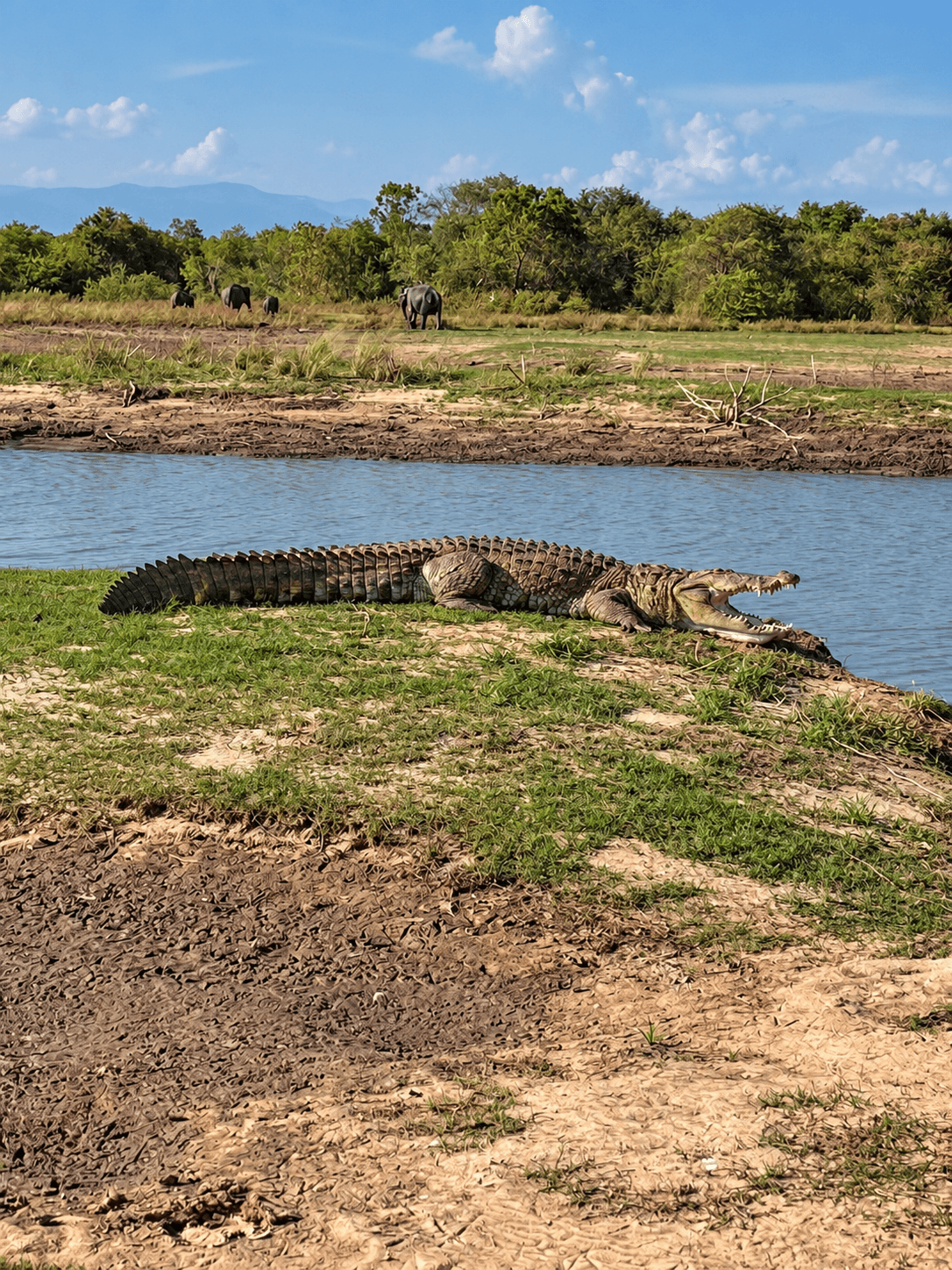
- Provides legal sovereignty, armed law enforcement, scientific research permitting, and strict park boundary defense.
- University biology departments and independent research trusts (CCR, WWCT) providing empirical telemetry, camera-trap data, genetic censuses, and peer-reviewed ecological monitoring.
- Generating vital economic revenues, upholding strict low-impact field ethics, maintaining silent hybrid vehicles, and introducing global travelers to the wonder of Sri Lankan biodiversity.
- The front-line stewards whose cooperation, economic prosperity, and cultural pride form the impenetrable human shield safeguarding the park boundaries.
When these four pillars work in concert, conservation is no longer an idealistic dream; it is an enduring, triumphant reality that preserves the sacred wildlife of Ruhuna for all eternity.
Chronological Anatomy of Sri Lankan Wildlife Protection Legislation
The statutory evolution of environmental jurisprudence in Sri Lanka provides a masterclass in progressive conservation governance:
- Historical Impetus: Enacted under British Governor Sir Joseph West Ridgeway following intense lobbying by the Ceylon Game Protection Society.
- Key Statutes: Regulated sport shooting, declared closed seasons for spotted deer and sambar, and officially demarcated the Yala and Wilpattu Resident Sportsmen's Reserves. For the first time in colonial history, wildlife was recognized as a state resource requiring legal regulation.
- Historical Impetus: Enacted under the State Council of Ceylon, championed by D.S. Senanayake (later Sri Lanka's first Prime Minister).
- Core Provisions: Established the Department of Wildlife Conservation, designated Yala and Wilpattu as national parks, outlawed all commercial hunting of elephants, and provided strict protection for national endemic flora and fauna.
- Core Provisions: Mandated that any development project within a 1-mile radius of a national park boundary must undergo rigorous public Environmental Impact Assessments (EIA), legally empowering conservationists to halt destructive commercial hotel resorts in critical buffer zones.
- Modern Penalties: Increased fines by 500%, introduced mandatory minimum prison sentences for killing leopards or elephants, authorized forfeiture of private vehicles utilized in poaching crimes, and legally recognized community-managed conservation corridors.
The Responsible Traveler Handbook: Ten Golden Commandments for Safari Guests
Every traveler visiting Yala wields profound economic and behavioral influence over the future of the park. Following these ten golden rules transforms your safari into a force for conservation:
1. **Rule 1: Demand Low-Speed, Disciplined Driving:** Never urge your driver to speed or chase after an animal. High speeds kick up choking red dust, endanger small reptiles crossing the track, and create high acoustic stress for wildlife. A true wildlife enthusiast values patient tracking over reckless rushing.
2. **Rule 2: Maintain Absolute Vocal Silence:** When observing wildlife, speak in soft whispers or maintain complete silence. Never whistle, clap hands, tap vehicle panels, or play recorded animal calls to make an animal turn toward your camera. Such disturbances disrupt natural foraging and maternal vigilance.
3. **Rule 3: Keep All Body Parts Inside the Vehicle Frame:** Animals in Yala perceive a safari vehicle as a single, neutral, non-threatening object. The moment a passenger hangs out of a window, sits on the vehicle roof, or extends arms and selfie sticks outside the chassis, the animal recognizes the threatening human silhouette, triggering panic or aggressive defensive charges.
4. **Rule 4: Zero Single-Use Plastics:** Carry reusable insulated canteens and reject single-use plastic water bottles. A plastic wrapper dropped in the park can be ingested by a curious spotted deer or wild boar, causing fatal intestinal impaction.
5. **Rule 5: Never Feed Any Wild Animal:** Feeding monkeys (*Macaca sinica*) or wild boars destroys their natural foraging instincts, habituates them to human handouts, and invariably turns them into aggressive nuisance animals that must eventually be relocated or euthanized.
6. **Rule 6: Respect the Animal's Right of Way:** If an elephant herd or leopard is crossing the road, the vehicle must halt at a respectful distance (minimum 20 meters), cut the engine, and allow the animals to cross completely before moving. Never box an animal between two vehicles.
7. **Rule 7: Ban All Flash Photography:** Artificial camera flashes temporarily blind nocturnal animals, disrupt raptor vision, and can provoke aggressive charges from elephants. Modern digital camera sensors with high ISO capabilities make flash photography completely unnecessary.
8. **Rule 8: Support Local Community Enterprises:** Purchase fresh organic fruits, handmade crafts, and traditional curd from local village stalls outside the park gates. Directly supporting rural smallholders builds community goodwill for wildlife preservation.
9. **Rule 9: Stay on Demarcated Roads:** Never permit your driver to venture off designated gravel tracks. Off-road driving destroys fragile root systems of native shrubs, crushes ground-nesting bird clutches (such as Lapwings and Nightjars), and accelerates desertification.
10. **Rule 10: Spread the Conservation Gospel:** Share your wildlife photographs and stories not merely as trophies of travel, but as educational testaments to the beauty, fragility, and urgent necessity of protecting wild nature.
Global University Alliances & Field Research Fellowships
- Field Immersion Seminars: Annual wildlife biology masterclasses host international graduate students alongside Sri Lankan researchers, conducting live acoustic monitoring of nocturnal bats, radio-tracking freshwater tortoises, and compiling taxonomic inventories of dry-zone mycorrhizal fungi.
- Open-Access Wildlife Telemetry: Field findings are published across prestigious scientific journals (*Oryx, Biological Conservation, Journal of Zoology*), ensuring that Sri Lanka's conservation breakthroughs inform global wildlife policy from the Serengeti to Yellowstone.
The Ranger Memorial Roll of Honor: Fallen Heroes of Ruhuna
True conservation is written in the blood and sacrifice of frontline rangers. Over the past five decades, more than sixty Department of Wildlife Conservation officers have laid down their lives defending the forests and wildlife of Sri Lanka against armed poachers, illegal loggers, and extremist insurgencies:
- We remember Senior Ranger P.B. Wickramasinghe, who fell in the line of duty during an armed confrontation with commercial poachers in Block 2 in 1988.
- We honor Wildlife Guard Sunil Jayatillake, who was tragically killed in 2004 while defending an elephant herd from poachers armed with automatic weapons.
- We remember the anonymous trackers who walked barefoot through thorns, suffered venomous snakebites, and endured malaria so that our children could witness a living leopard roaring under the stars.
Their sacrifice sanctifies the red soil of Yala. As visitors, we walk upon holy ground defended by true heroes of the wild. May their eternal vigil inspire every traveler to defend the irreplaceable wilderness of Ruhuna.
The Wilderness Manifesto: An Eternal Promise to Ruhuna
When the last safari vehicle turns its headlights toward the park gates at dusk, the wild heart of Yala beats on in unbroken majesty. The leopard emerges onto the cooling gneiss of Kotadumuwehera, tasting the ocean breeze; the elephant herd drinks deep from the ancient clay cistern of Buthawa; and the nightjar calls across the star-strewn plains. By choosing conservation-first travel, you become an eternal guardian of this living miracle.
Every traveler who steps foot in this sacred sanctuary carries an ambassadorial duty: to defend the voiceless, to honor the fallen rangers who gave their lives, and to support the agrarian communities whose tolerance permits wildlife to endure. Let us walk lightly upon the earth, protect the wilderness corridors with fierce determination, and preserve the untamed spirit of Ceylon for eternity.
Species Covered in this Monograph:
Track the wildlife mentioned in this guide. Check off species you hope to encounter during your game drive: