
Section 1: Evolutionary Paleontology & Taxonomy of Melursus ursinus inornatus
Among the eight living species of the family Ursidae distributed across the globe, the sloth bear (*Melursus ursinus*) occupies a solitary, highly divergent evolutionary branch. While the majority of the world's bears — from the immense Kodiak brown bear (*Ursus arctos middendorffi*) to the Arctic polar bear (*Ursus maritimus*) — evolved as opportunistic omnivores or hyper-carnivores adapted to temperate and polar climates, the sloth bear embarked on a radical evolutionary trajectory in the tropical forests of the Indian subcontinent during the early Pleistocene epoch. It specialized almost exclusively in myrmecophagy (the consumption of colonial insects: termites and ants) and seasonal frugivory.
Within this unique ursid lineage, mammalogists recognize two subspecies: the mainland Indian sloth bear (*Melursus ursinus ursinus*) and the endemic Sri Lankan sloth bear (*Melursus ursinus inornatus*), formally described by British naturalist Edward Frederick Kelaart in 1852. The subspecific epithet *inornatus* translates literally from Latin as "unadorned" or "without ornament" — a reference to the fact that Sri Lankan sloth bears frequently exhibit a smaller, more subdued, or occasionally absent cream-colored chest chevron compared to the flamboyant, broad white "Y" or "V" marking found on mainland Indian specimens.
Furthermore, over hundreds of thousands of years of geographic isolation on the island of Sri Lanka following the inundation of the Palk Strait, *Melursus ursinus inornatus* evolved distinctive morphological adaptations: 1. **Body Stature and Mass:** The Sri Lankan subspecies is slightly more compact and agile than its continental counterpart. Adult males in the dry zone scrub of Yala and Wilpattu typically weigh between 80 and 115 kilograms (176 to 253 lbs), while adult females range from 55 to 80 kilograms (121 to 176 lbs). 2. **Pelage Density and Structure:** Despite inhabiting a sweltering tropical dry zone where ambient temperatures regularly exceed 35°C, the Sri Lankan sloth bear retains an exceptionally thick, coarse, shaggy black coat. Far from being a hindrance, this thick fur serves as an impenetrable biological suit of armor, completely insulating the bear's skin from the painful stings and bites of millions of soldier termites, furious giant honeybees (*Apis dorsata*), and thorny *Carissa carandas* brambles. 3. **Absence of Hibernation:** Unlike northern ursids that undergo profound winter torpor or true hibernation to survive freezing temperatures and seasonal food deprivation, the Sri Lankan sloth bear remains active throughout all twelve months of the year, adapting its foraging rhythms to the arrival of monsoon rains, termite swarming cycles, and the seasonal fruiting of ancient canopy trees.
Today, *Melursus ursinus inornatus* is classified as **Endangered** on the IUCN Red List of Threatened Species, with an estimated wild population of fewer than 1,000 individuals surviving in Sri Lanka's fragmented dry zone wilderness. The vast, protected biotope of Greater Yala — particularly the secluded riverine corridors of Block 5 (Galge) and the rocky hinterlands of Block 1 — represents one of the final, indispensable strongholds for the survival of this extraordinary mammal.
Section 2: Biomechanics of Myrmecophagy: Nature’s High-Powered Vacuum
Observing a Sri Lankan sloth bear excavate and feed upon a termite mound is a masterclass in functional evolutionary biomechanics. Every element of the bear's cranial, dental, and limb anatomy has been re-engineered by natural selection to dominate a very specific ecological resource: the subterranean galleries of termite mounds (*Odontotermes redemanni* and *Odontotermes obesus*).
1. The Four-Inch Non-Retractile Ivory Mattocks: The forepaws of the sloth bear are equipped with five massive, laterally compressed, inward-curving claws that grow up to 8 to 10 centimeters (3.5 to 4.2 inches) in length. Unlike feline claws, which retract into protective sheaths to stay sharp, sloth bear claws are non-retractile, remaining permanently exposed. The composition of these claws is exceptionally dense keratin supported by thick, robust ungual phalanges (toe bones). Coupled with immense pectoral girdle musculature and heavily ossified radius and ulna bones, these claws function like heavy-duty steel mattocks. In Yala's sun-baked clay soils, termite mounds bake under the equatorial sun until they achieve the hardness of reinforced concrete — an iron pickaxe swung by an adult human often rebounds with sparks. Yet, an adult sloth bear can tear open the outer defensive wall of a mature termite mound in under three minutes, displacing chunks of rock-hard clay weighing over 20 kilograms with casual swings of its forearms.
2. Cranial and Dental Reconfiguration: Once the interior galleries of the termite mound are breached, the bear's specialized oral feeding apparatus comes into action: - **The Missing Incisor Gap (Diastema):** Early European taxonomists who first examined sloth bear skulls erroneously classified them as sloths (hence the common name "sloth bear") because they observed that the animals were missing their upper front teeth. In reality, the sloth bear has naturally lost its upper middle pair of incisors (*I1*), creating a permanent gap or conduit in the center of its dental arcade. - **Hollow Vaulted Palate:** The bear's hard palate is deeply arched and concave, creating a spacious aerodynamic chamber that runs directly from the front of the mouth to the pharynx. - **Flexible Funnel Lips:** The bear’s snout is elongated and virtually hairless, terminating in long, mobile, highly flexible lips that can protrude forward several centimeters to form a tight, airtight suction funnel against termite holes. - **Muscular Nostril Valves:** To prevent thousands of biting soldier termites and sharp clay dust from entering its respiratory tract during intense suction feeding, the sloth bear possesses specialized muscular flaps that can hermetically seal its nostrils shut at will.
3. The Acoustic Roar of Suction Feeding: When feeding, the sloth bear places its flexible lips directly over an exposed gallery, closes its nostrils, and inhales with immense diaphragmatic force. The resulting acoustic phenomenon is astounding: the rhythmic, roaring suction sound (*"Ffff-whooosh... Ffff-whooosh!"*) echoes through the silent dry zone forest, clearly audible to trackers from over 100 to 150 meters away. By reversing the airflow, the bear can also emit powerful puffs of air to blow away loose dirt and debris before resuming suction. In a single 20-minute feeding session, an adult bear can vacuum up between 10,000 and 20,000 termites, swallowing them whole without chewing.
Section 3: The Golden Season: Palu Berries and the Canopy Transformation
For nine to ten months of the year, the Sri Lankan sloth bear is an elusive, predominantly nocturnal ghost. It emerges from deep granite rock caves or hollow tree trunks well after dusk, feeds under the cover of darkness, and retreats back into deep subterranean shade hours before sunrise. Visitors on safari between August and April can drive through Yala for days without catching more than a fleeting glimpse of a shaggy black rump disappearing into thorny scrub.
However, between late May and July, an ecological miracle transforms the dry zone forest: the ripening of the **Palu** (*Manilkara hexandra*) and **Weera** (*Drypetes sepiaria*) trees.
1. The Botanical Bounty of Manilkara hexandra: The Palu tree is the slow-growing monarch of Sri Lanka’s dry evergreen forests. Ancient specimens in Yala can reach heights of 25 to 30 meters, with massive fluted trunks and wide, sprawling canopies. In May, these ancient trees produce millions of small, oblong berries that ripen from astringent green into an intense, glowing yellow. The flesh of the ripe Palu berry is sweet, sticky, and rich in natural fructose and pectin, possessing a rich honey-like flavor.
2. Behavioral Intoxication and Daytime Confidence: Sloth bears develop an insatiable, almost obsessive passion for Palu berries. As the summer heat bakes the forest floor, berries that fall to the ground or remain in the canopy begin to ferment under the equatorial sun, producing natural trace alcohols. During this window, the bears undergo an astonishing behavioral shift: - **Diurnal Emergence:** They abandon their typical nocturnal caution completely. Trackers frequently encounter bears wandering casually along main safari trails at 10:00 AM, 01:00 PM, and 04:00 PM in blazing sunlight, their muzzles, whiskers, and paws comically stained with sticky yellow berry pulp. - **Arboreal Acrobatics:** Despite their heavy, lumbering terrestrial gait, sloth bears are astonishingly agile climbers. They scale vertical, smooth-barked Palu trunks with ease, climbing 40 to 50 feet into the outer canopy branches. Once in the canopy, a bear will straddle a swaying limb, pull berry-laden branches toward its mouth with its long claws, or vigorously shake entire boughs to rain fruit down onto the forest floor. - **Intoxicated Lethargy:** After gorging on fermented berries for hours, sloth bears frequently display relaxed, visibly intoxicated demeanor. They often collapse into deep slumber right in the forks of Palu trees, dangling their shaggy limbs over branches and snoring loudly while safari vehicles observe from below.
Prime Sloth Bear Hotspots in Yala during Palu Season: 1. **Yala Block 5 (Galge Sector):** Flanking the Buttala-Kataragama road, Block 5 features ancient, undisturbed riverine canopies with exceptional Palu tree densities and virtually no tourist congestion. 2. **Yala Block 1 (Meda Para, Padikema & Buthawa Tracks):** Classic viewing tracks where ancient granite boulders intersect mature fruiting groves. 3. **Kumana National Park (Yala East):** Pristine ancient forest floor with minimal vehicle traffic and abundant natural rock shelters.
Section 4: Termite Mound Ecology: Nature’s Subterranean Fungus Farms
To understand the ecology of the sloth bear, one must understand the biology of its primary host: the fungus-growing termites of the genus *Odontotermes*.
1. The Architectural Marvel of the Termite Cathedral: The red clay termite mounds that punctuate Yala's landscape are not mere heaps of dirt; they are highly sophisticated, climate-controlled subterranean cities. Constructed from a precise composite of subsoil clay, saliva, and chewed organic matter, the outer walls are baked by the sun into an impermeable, rock-like fortress. Within this fortress, termites maintain an internal environment with a constant temperature of 29°C to 31°C and relative humidity exceeding 90%, regulated by an intricate system of vertical ventilation chimneys.
3. The Keystone Role of Bear Excavations: The sloth bear’s destructive feeding behavior makes it an indispensable ecological engineer. By ripping open rock-hard termite mounds, the bear creates cavernous hollows and burrows in the landscape. These abandoned excavations are immediately colonized by a secondary guild of dry zone wildlife: - **Reptiles:** Indian Rock Pythons (*Python molurus*), Indian Cobras (*Naja naja*), and Land Monitors (*Varanus bengalensis*) utilize abandoned bear burrows as cool thermal refuges and nesting chambers. - **Small Mammals:** Indian Crested Porcupines (*Hystrix indica*) and pangolins expand the cavities into residential dens. - **Avifauna:** Pygmy kingfishers and Indian Rollers frequently use the exposed vertical clay walls to excavate nesting tunnels.
Section 5: Maternal Devotion: Cub Rearing and the Back-Riding Phenomenon
Among all eight species of the world's bears, the sloth bear exhibits one of the most endearing, unique parental care strategies: **prolonged cub transport on the mother's back**.
1. Secluded Birthing in Granite Inselberg Caves: Following a gestation period of approximately seven months (which includes delayed implantation of the fertilized blastocyst to align birth with post-monsoon abundance), a female sloth bear gives birth between November and January. She selects an impregnable, dark subterranean cave located deep within a granite inselberg — such as the boulder complexes of Kotadumuwehera or Jamburagala. A typical litter consists of one or two tiny cubs (rarely three). At birth, the cubs are hairless, blind, and exceptionally helpless, weighing a mere 300 to 450 grams (less than one pound). For the first ten to twelve weeks of their lives, the mother remains secluded inside the darkness of the cave, nursing her cubs with lipid-rich milk and rarely emerging even to drink.
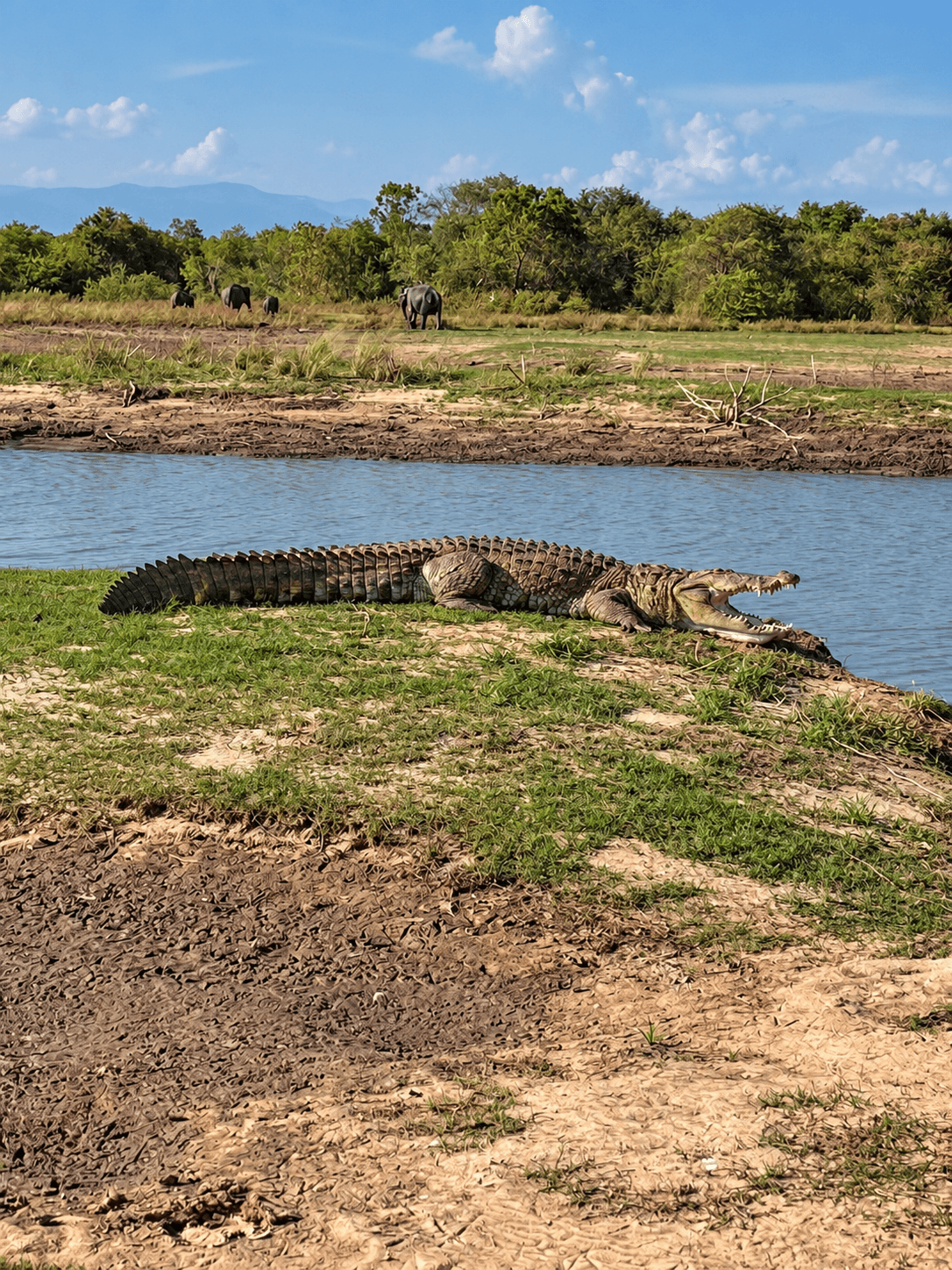
2. The Back-Riding Phenomenon: When the cubs reach approximately three months of age, the mother finally emerges into the open forest. Unlike brown bear or black bear cubs that walk alongside their mother on the ground, sloth bear cubs immediately scramble onto their mother's back. - **Physical Adaptations for Riding:** The mother possesses exceptionally long, coarse, shaggy fur along her shoulders and spine, which forms dense, natural anchor tufts. The cubs use their sharp, curved claws to cling securely into this fur. - **Security against Ground Predators:** In Yala's dense scrub, the forest floor is prowled by apex predators: the Sri Lankan leopard (*Panthera pardus kotiya*), packs of golden jackals (*Canis aureus*), and large mugger crocodiles waiting along lagoon edges. Riding high on their mother's back keeps the vulnerable cubs elevated above the strike zone of ambushing predators. - **Mobile Foraging Classroom:** The cubs ride aboard their mother even while she walks, gallops at full speed, and climbs steep rock faces. From their elevated perch, the cubs observe their mother's foraging techniques, learning to identify fruiting Palu trees, detect termite mounds by scent, and recognize alarm calls from deer and monkeys. Cubs continue to ride on their mother's back until they reach six to nine months of age and achieve nearly a third of her body mass, at which point their combined weight becomes too heavy for her to carry comfortably. They remain under her maternal protection until they are two to two-and-a-half years old, when she drives them away to prepare for her next breeding cycle.
Section 6: Sloth Bear Vocalizations and Acoustic Communication
Far from being silent creatures, sloth bears possess a remarkably wide, dynamic, and expressive acoustic repertoire:
1. The Suction Roar (*Myrmecophagous Chuffing*): As detailed in Section 2, the roaring, vacuum-like intake of breath during termite feeding is the most famous audio signature of the bear. It is accompanied by rhythmic lip-smacking and forceful exhalations that clear dust from the nostrils.
2. Maternal Humming and Nursing Vocalizations: When nursing her cubs inside a granite den, a female sloth bear emits a continuous, soothing, motorized purr or hum that sounds remarkably like a low-frequency electric motor or purring cat. This sound reassures the cubs and signals emotional security.
3. Aggressive Intimidation Displays: When surprised or threatened by a rival bear or approaching leopard, the sloth bear unleashes a terrifying wall of sound: - **The Explosive Bellow (*Guttural Roar*):** A shocking, deafening roar that erupts from deep within the chest, designed to startle and disorient an attacker. - **Teeth Clattering:** Rapid clicking and clattering of the molars and canines, signaling extreme agitation and immediate readiness to charge. - **Hag-Hag Barks:** Short, sharp, rhythmic coughing barks emitted while making mock charges toward an intruder.
Section 7: Territorial Ecology, Denning Behavior & Habitat Preference
Unlike leopards, which maintain rigidly defended territorial boundaries with active scent-marking patrols, sloth bears in Yala exhibit overlapping, fluid home ranges governed primarily by seasonal food availability.
1. Home Range Dimensions: - **Male Home Ranges:** Adult male sloth bears roam across expansive ranges of 15 to 30 square kilometers, overlapping the ranges of multiple females. - **Female Home Ranges:** Females with dependent cubs occupy much smaller, resource-dense core ranges of 5 to 12 square kilometers, centered around reliable freshwater sources and secure rocky denning sites.
2. The Critical Importance of Granite Inselbergs: Granite rock formations are essential to sloth bear survival in Yala. During the scorching midday hours (11:00 AM – 02:30 PM), ambient ground temperatures on open sand roads can exceed 45°C. Sloth bears retreat into deep granite caverns, crevices, and boulder overhangs. The interior micro-climate of these ancient Pre-Cambrian gneiss caves remains cool and shaded, with temperatures 10°C to 15°C lower than the external forest canopy. Furthermore, natural rock cisterns (*kemas*) trap rainwater, providing bears with secluded drinking pools away from crowded public waterholes.
Section 8: Interspecific Dynamics: Sloth Bears vs. Leopards and Elephants
In the competitive guild of Yala's mammalian fauna, the sloth bear's interactions with its neighbors provide high-drama encounters:
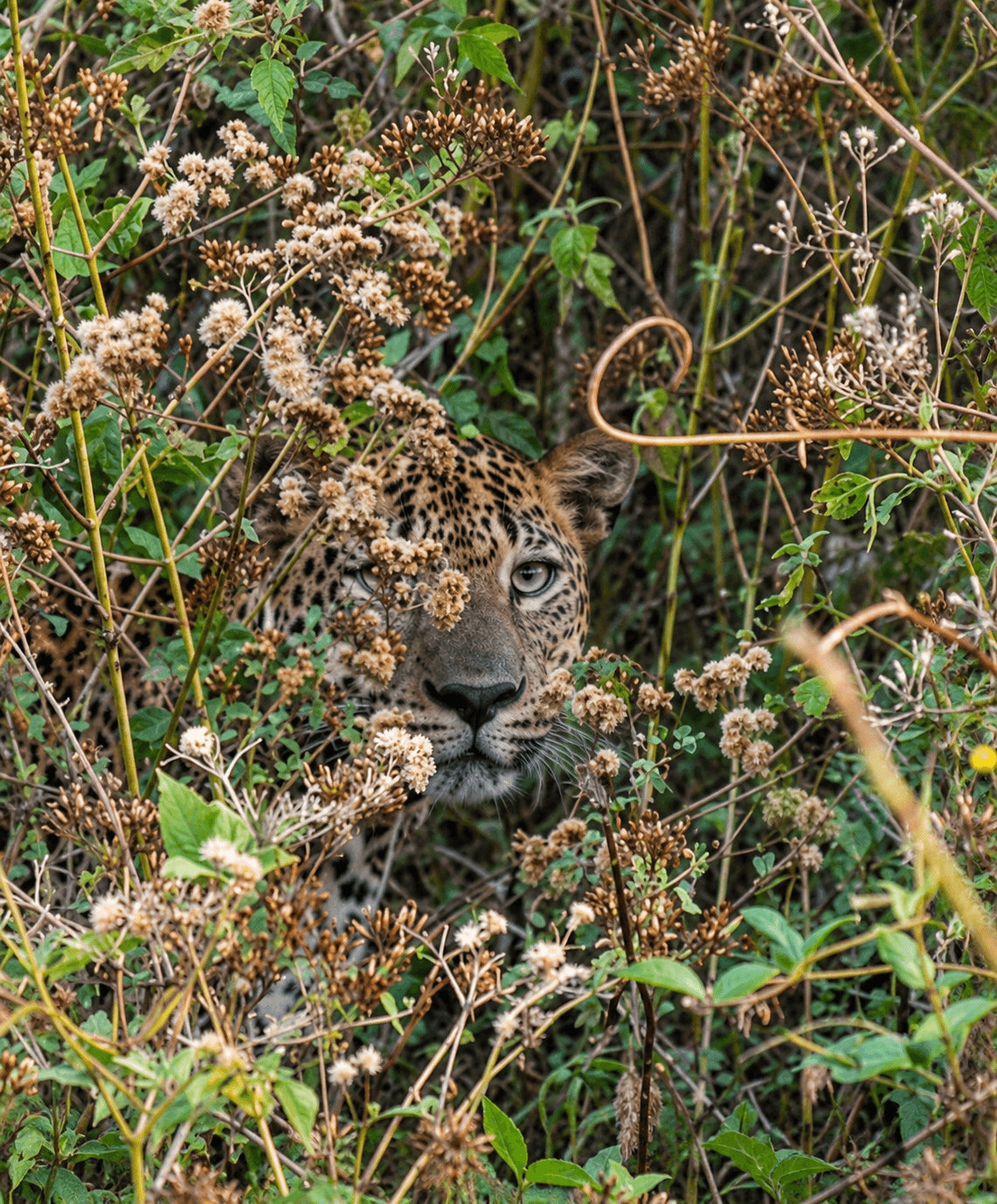
1. Sloth Bear vs. Sri Lankan Leopard (*Apex Rivalry*): While the leopard is the undisputed apex carnivore, a full-grown adult sloth bear is an adversary that even the largest male leopard treats with profound caution: - **The Fearless Frontal Stand:** Unlike deer that flee in panic, when a sloth bear is confronted by a leopard, it does not turn and run (running triggers a feline chase-and-ambush response). Instead, the bear instantly rears onto its hind legs, spreading its front paws wide to display its massive four-inch ivory claws, puffing out its shaggy chest fur to double its apparent physical size, and unleashing an explosive, deafening roar. - **Pound-for-Pound Ferocity:** A 100-kg adult male sloth bear possesses bone-crushing jaw strength, thick muscle mass, and loose skin that allows it to twist around and bite even if pinned. While leopards have occasionally preyed upon small, unattended cubs, confrontations between adult leopards and adult bears almost invariably end in a tense standoff, with the leopard quietly yielding the path.
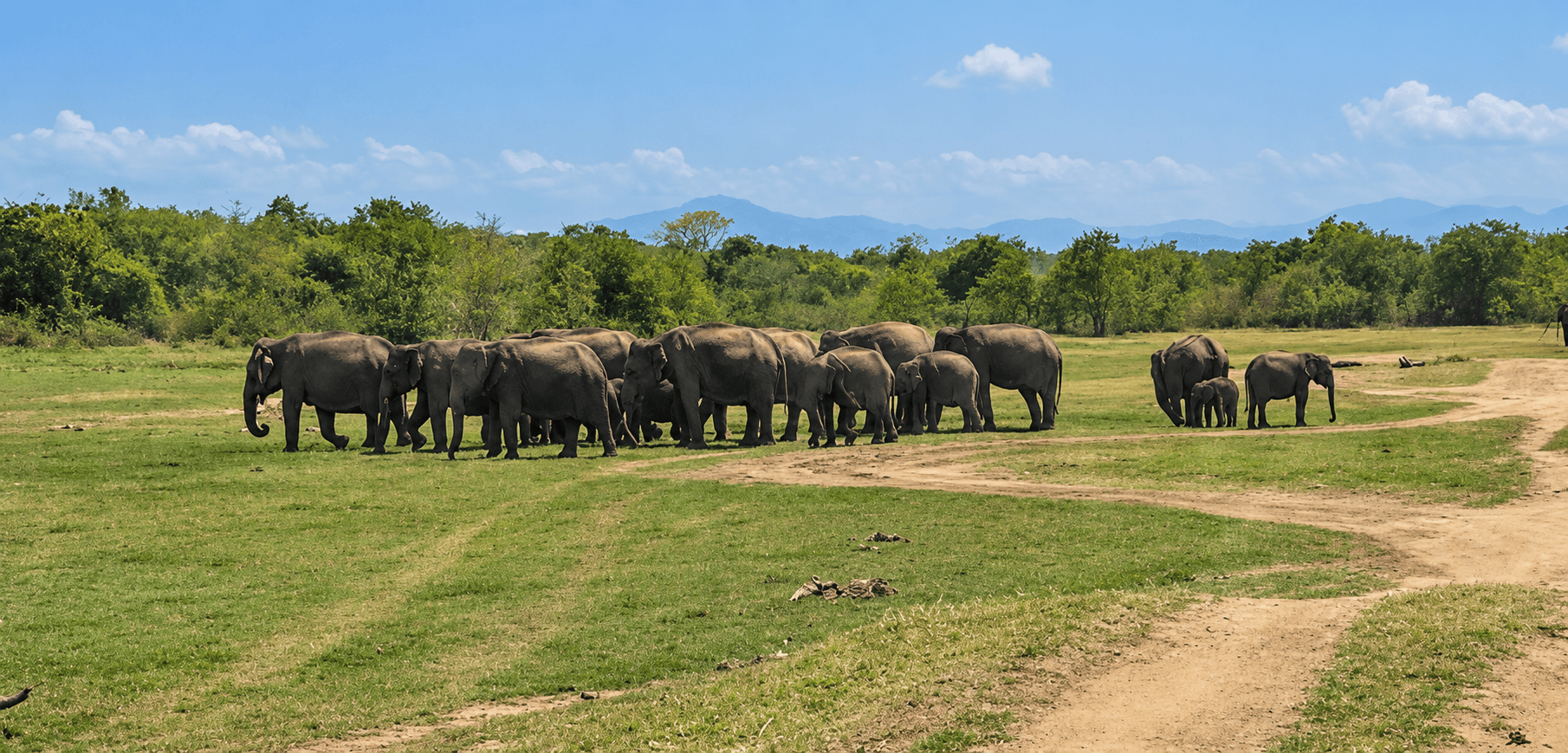
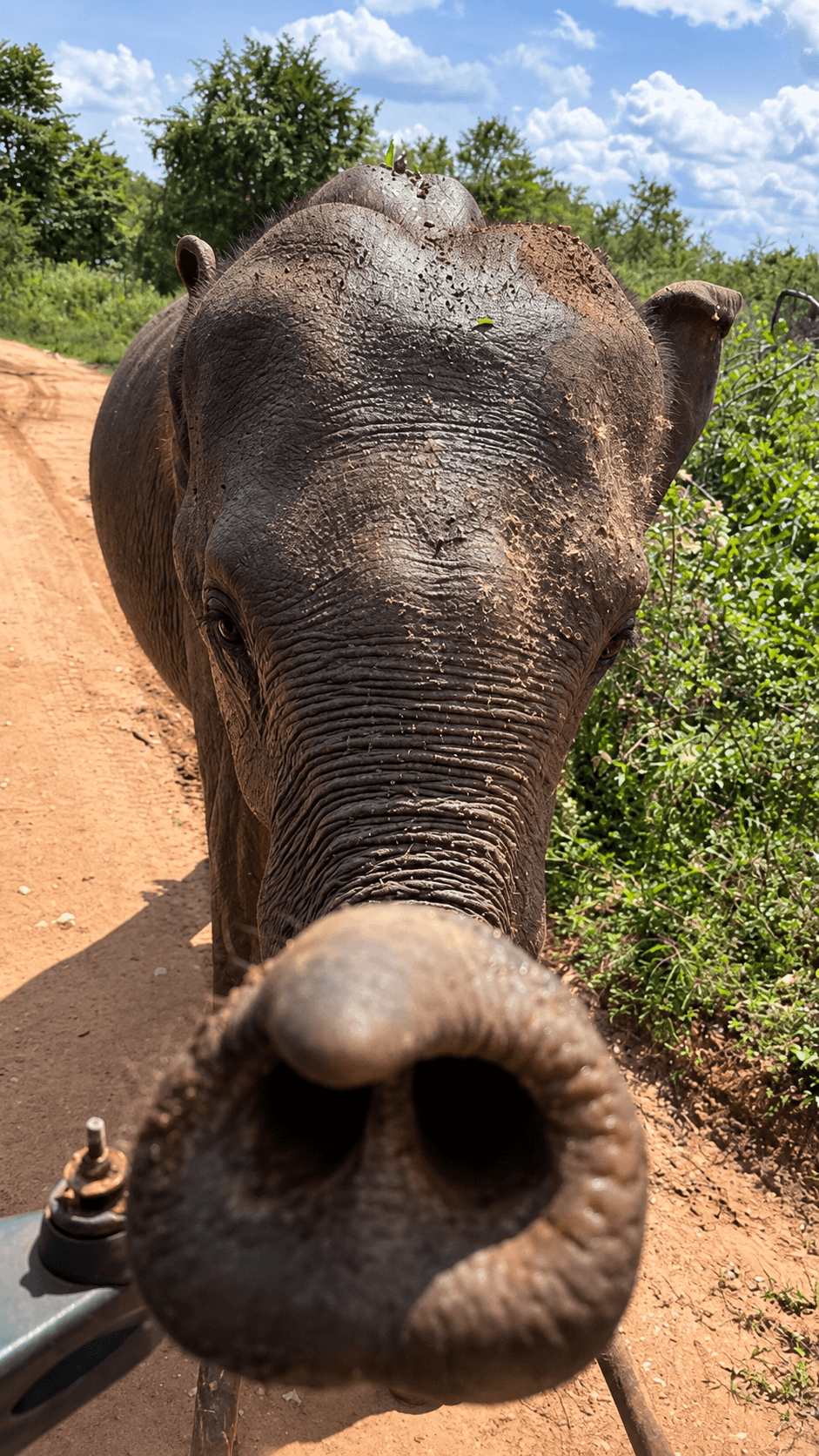
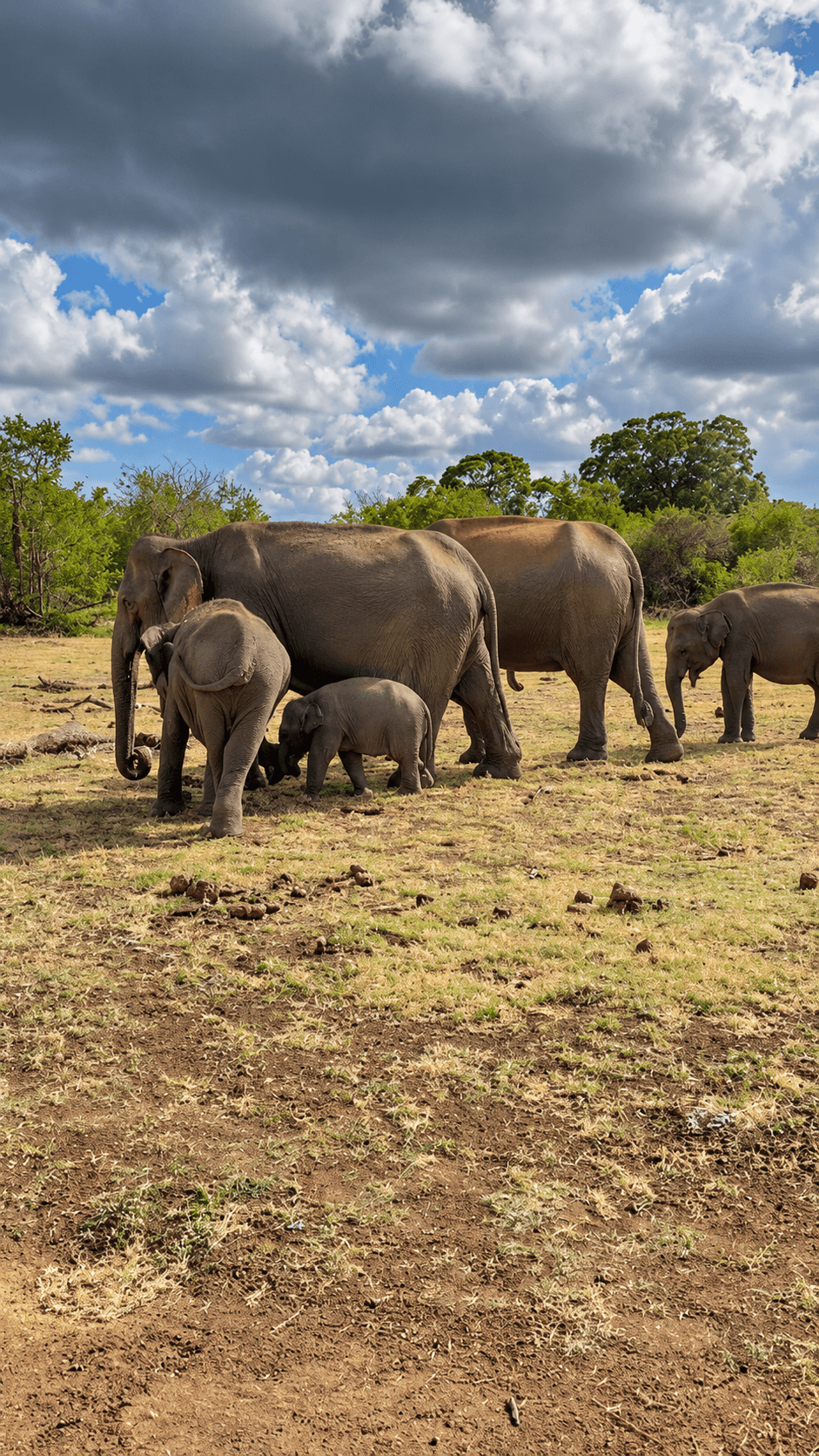
2. Sloth Bear vs. Asian Elephant: Elephants view sloth bears with mild distrust due to the bear's unpredictable, erratic movements. When an elephant herd encounters a foraging bear along a jungle track, the matriarch will emit a sharp, trumpeting warning blast and perform a mock charge, kicking up dust and flapping her ears. The sloth bear, recognizing the elephant's colossal mass, will scramble quickly into the thorny undergrowth, waiting for the herd to pass.
Section 9: An Hour-by-Hour Sloth Bear Tracking Log in Yala Block 5 (Galge)
Below is an authentic field chronicle from an intensive full-day sloth bear tracking expedition conducted in Yala Block 5 (Galge Sector) during the peak Palu fruiting season in late June:
05:30 AM – 07:00 AM: The Mist Along the Menik River We depart through the Galge entrance gate at 05:45 AM. Unlike Block 1, which experiences heavy morning safari traffic, Block 5 is silent, pristine, and wild. A thick layer of dawn mist hovers above the Menik Ganga. The air smells of damp earth and sweet, overripe Palu berries. Within twenty minutes of driving along the riverine track, our naturalist spots fresh bear spoor: broad, pigeon-toed footprints overlapping the wet sand, with distinct, long claw indentations puncturing the mud.
07:00 AM – 09:15 AM: The Canopy Feast at Welikanda As we approach an ancient, 300-year-old Palu grove near Welikanda, we hear a loud cracking of branches overhead. We stop the jeep and kill the engine. Looking up into the canopy forty feet above the ground, we spot an enormous adult male sloth bear. He is balanced gracefully across a thick horizontal branch, his shaggy coat glistening in the morning light. Using his curved claws like grappling hooks, he bends a fruit-laden branch toward his face, hoovering up hundreds of sticky yellow berries with loud slurping sounds. He glances down at our vehicle with curious, shortsighted amber eyes, entirely unperturbed, and continues feasting for forty-five minutes before slowly descending the trunk headfirst like a giant squirrel.
09:15 AM – 12:00 PM: The Excavator at Work Further inland along the Galge fire-break track, we encounter a female bear and a six-month-old cub foraging along a dry creek bed. The mother halts at the base of an eight-foot-tall red clay termite mound. She sniffs the base, locates the primary nursery chimney, and begins digging. The speed and violent power of her excavation is breathtaking: clay chunks the size of bowling balls fly between her hind legs. Within four minutes, she breaches the interior fungal chambers. She buries her snout into the cavity, and the forest fills with the roaring acoustic drone of her suction feeding. The cub mimics her behavior, sticking its small head into adjacent crevices to lick up escaping termites.
12:00 PM – 02:30 PM: Midday Cave Retreat By noon, the equatorial sun pushes temperatures to 36°C. The bears disappear into the deep granite boulder labyrinths flanking the northern ridge. We park our vehicle under the expansive shade of a riverbank Kumbuk tree, enjoying a traditional naturalist picnic of spiced yellow rice, pol sambol, and fresh tropical fruit while watching grey hornbills and parakeets gorge on Palu fruit in the canopy above.
02:30 PM – 05:00 PM: The Forest Road Stroll As afternoon clouds soften the harsh glare, we track south toward the Lunugamvehera border. Rounding a gentle curve, we spot an adult bear walking directly down the center of the sandy road toward us. He walks with the classic, rolling, pigeon-toed bear shuffle, swaying from side to side. We bring our jeep to a halt and wait in silence. The bear advances to within 15 meters of our vehicle, stops to scratch his shaggy shoulder against a dead tree stump, and casually veers into a patch of Guinea grass, heading down to the river for an evening drink.
05:00 PM – 06:15 PM: Twilight Exit Our expedition concludes as golden sunset backlight filters through the riverine gallery forest. We depart through the Galge barrier at 06:15 PM, having recorded three separate, high-quality, undisturbed sloth bear sightings in a single day.
Section 10: Diet and Seasonal Nutrition: Beyond Termites
While termites and Palu berries dominate the sloth bear's ecological calendar, this adaptable omnivore utilizes a diverse botanical and invertebrate pantry:
1. Giant Honeybees (*Apis dorsata*): Sloth bears possess an intense, legendary craving for wild honey. When a bear locates a massive hive of giant rock honeybees hanging from a granite cliff or tall tree branch, it will climb fearlessly into the swarm. Thousands of furious bees sting the bear relentlessly, but its thick fur, tough skin, and sealable nostrils render it virtually immune to stings. The bear tears the honeycomb from the branch, consuming honey, beeswax, and protein-rich bee larvae with ecstatic relish.
2. Secondary Forest Fruits: - **Weera (*Drypetes sepiaria*):** Small crimson berries that ripen alongside Palu, rich in antioxidants and moisture. - **Divul / Wood Apple (*Limonia acidissima*):** Bears use their powerful jaws to crack open the rock-hard wooden shell of wild wood apples, scooping out the pungent, aromatic brown pulp inside. - **Wild Figs (*Ficus benghalensis* & *Ficus racemosa*):** Ancient banyan and cluster fig trees produce thousands of soft, sugary figs that drop to the forest floor, attracting foraging bears at night.
3. Beetle Larvae & Ground Grubs: Bears frequently use their claws to roll over heavy, decaying hardwood logs, feasting on massive, fat beetle grubs (*Scarabaeidae* and *Cerambycidae*) that contain up to 60% fat, providing crucial lipid reserves.
Section 11: Conservation Status, Threats, and Anti-Poaching Science
Despite legal protection under Sri Lanka's Fauna and Flora Protection Ordinance (FFPO), the Sri Lankan sloth bear faces grave anthropogenic pressures:
1. Habitat Fragmentation & Edge Encroachment: The primary threat to sloth bear survival is the loss and fragmentation of lowland dry zone forests. Expanding agricultural settlements, chena (slash-and-burn) farming, and infrastructure projects have severed ancestral wildlife corridors linking Yala with Lunugamvehera, Kumana, and the central hills, isolating bear populations in ecological islands.
3. Human-Bear Conflict (HBC): When villagers enter protected buffer zones to collect wild honey, Palu berries, or firewood, accidental surprise encounters with sloth bears occasionally occur. A startled bear, perceiving itself trapped in dense brush, will launch an aggressive defensive attack, using its claws and canine teeth to inflict severe facial and bodily trauma on humans. Fostering community awareness, establishing buffer-zone boundaries, and discouraging illegal forest foraging are vital to preventing retaliatory killings.
Section 12: Sloth Bear Photography Masterclass: Settings, Optics & Lighting
Photographing the Sri Lankan sloth bear is notoriously challenging. A pitch-black animal with deep-set eyes moving through dappled forest shade or dense undergrowth will test the limits of your camera sensor and optical technique:
1. The Challenge of Pitch-Black Fur Exposure: Camera light meters are calibrated to 18% neutral gray. When an all-black sloth bear fills your viewfinder, your camera’s automated exposure system will mistakenly think the scene is underexposed, resulting in overexposed backgrounds and washed-out gray fur. - **Exposure Compensation:** Dial in **-0.7 to -1.3 EV exposure compensation** to preserve the deep, rich blackness of the bear's coat while maintaining natural background color saturation. - **Shooting in RAW Format:** Absolutely mandatory. RAW files preserve dynamic range in deep shadow areas, allowing you to lift subtle shadow details in the fur during post-processing without introducing digital noise.
2. Lens Selection & Autofocus Calibration: - **The Ideal Lens (100-400mm f/4.5-5.6 or 400mm f/2.8 Prime):** A fast telephoto lens with a wide aperture (f/2.8 or f/4) is invaluable for gathering light under dark forest canopies where bears frequently feed. - **Autofocus Tracking:** Because the bear’s eyes are small, dark, and deeply recessed beneath a shaggy brow, automated animal eye-AF systems can occasionally struggle to lock on. In low contrast, switch to a **Single-Point Flexible Spot AF** placed directly on the bear's pale cream muzzle or the bridge of its nose.
3. Shutter Speeds for Digging Action: When a bear is vigorously excavating a termite mound, its claws and head move with explosive speed. To freeze flying clay chunks and claw motion in tack-sharp detail, set your shutter speed to **1/1600s or faster** with Continuous High-Speed burst shooting.
Section 13: Month-by-Month Sloth Bear Activity Matrix across Sri Lanka
| Month & Season | Climate & Forest State | Sloth Bear Behavior & Activity Patterns | Sighting Probability |
|---|---|---|---|
| January – February | Post-monsoon lushness; full waterholes. | Secluded maternal dens in granite caves; nursing newborn cubs; nocturnal foraging. | Low (Predominantly nocturnal) |
| March – April | Transitional warm weather; drying trails. | Cubs emerge from caves; early back-riding; foraging for termites and grubs. | Moderate (Dawn & Dusk) |
| May | Hot, dry winds begin; start of Palu fruiting. | Bears smell ripening berries; daytime foraging increases sharply. | High |
| June – July | Peak Dry Season & Fruiting Zenith. | **Maximum Sighting Window:** Bears gorging in Palu canopies; visible along roads in broad daylight. | Extremely High (Peak Season) |
| August – September | Severe drought; waterholes dry up. | High activity around remaining permanent tanks (Buthawa, Komari); digging for water. | High (Waterhole watches) |
| October | Late dry season; pre-monsoon storms. | Bears feeding on wild figs and wood apples; high rock-cave shelter use. | Moderate |
| November – December | **Northeast Monsoon rains;** lush rebirth. | Mating season begins; loud vocalizations at night; secluded cave shelter. | Low to Moderate |
Section 14: Indigenous Vedda Lore & Cultural Traditions
In the oral mythology of Sri Lanka's indigenous Vedda forest people and ancient rural Sinhalese folklore, the sloth bear (*Walaha* or *Asalaya*) occupies a place of profound mystique:
1. The Lord of the Ancient Caves: The Veddas revered the sloth bear as the *"Guardian of the Rock Caverns"*. In Vedda animist tradition, the spirits of ancient shamans were believed to reincarnate as powerful male bears that watched over sacred granite hills. Ancient hunters would never enter a rock cave without first whispering a traditional protection mantra (*Kaviya*) asking the bear spirit for safe passage.
2. Traditional Tracking Ethology: Indigenous trackers taught their children to read subtle forest signs left by bears: - *Wala Pas:* Fresh red soil excavated from a termite mound, indicating a bear passed within the hour. - *Gaha Gera:* Vertical claw marks on smooth tree bark, revealing whether the bear was a small female or a massive adult male. - *Wala Kema:* Small, clean water pools in granite rocks where bears drink in complete seclusion.
Section 15: Master Naturalist Glossary of Bear Ethology & Sinhala Terms
- *Walaha* (වලහා): The Sinhala term for an adult male sloth bear.
- *Wala Denuwa* (වැළ දෙන): An adult female sloth bear.
- *Wala Patiya* (වැලි පැටියා): A dependent sloth bear cub.
- *Palu Kalaya* (පලු කාලය): The golden season (May–July) when Palu trees bear ripe fruit.
- *Diastema*: The natural anatomical gap in the upper dental arch created by missing central incisors, facilitating vacuum suction feeding.
- *Myrmecophagy*: Specialized biological feeding behavior focused exclusively on ants and termites.
- *Gedige* (ගෙඩිගේ): An ancient rock shelter or natural granite cave inhabited by bears.
- *Pacinian Corpuscle*: Sensory nerve receptors in bear paws that detect vibrations in soil.
Section 16: Ethical Viewing Protocols & Safety Rules for Sloth Bear Encounters
1. **Mandatory 25-Meter Buffer:** Maintain a minimum distance of 25 meters from a foraging bear, and 35 meters from a mother with back-riding cubs. 2. **Never Cut Off Escape Routes:** A bear walking along a forest road must always have an open path into the scrub; never box the animal between multiple vehicles. 3. **Engine Shutdown & Whispered Silence:** Cut engines immediately at sightings; sloth bears have acute auditory perception and will flee if loud voices or banging doors occur. 4. **Never Step Out of the Vehicle:** Strictly enforced under national park regulations. A bear that feels cornered by a human on foot can launch an explosive defensive attack. 5. **Support Certified Local Naturalists:** Engaging licensed guides from surrounding communities ensures economic value directly supports wildlife protection.
Section 17: Frequently Asked Questions by Safari Travelers
Q1: What is the single best month to see a sloth bear in Yala? **Answer:** Without question, **June**. During the peak of the Palu fruiting season, sloth bears are active throughout the day, frequently climbing trees and walking along safari roads in broad daylight.
Q2: Which park sector offers the highest chance of seeing a bear? **Answer:** While Block 1 offers regular sightings around Meda Para and Buthawa, **Yala Block 5 (Galge Sector)** and **Wilpattu National Park** boast the highest encounter frequencies and lowest vehicle congestion.
Q3: Are sloth bears aggressive toward safari vehicles? **Answer:** Not at all. Wild bears in Yala are fully habituated to safari vehicles, perceiving them as neutral moving objects. As long as vehicles maintain respectful distance and visitors remain seated inside, bears will casually continue feeding within twenty feet of open jeeps.
---
Section 18: Master Expedition Packing & Optical Gear Protocol for Sloth Bear Expeditions
To guarantee a world-class photographic and observational expedition in Yala Block 5 and Block 1, our senior naturalist team recommends the following field preparation:
1. Optical Gear and Camera Configuration: - **Dual Camera Bodies:** A primary high-speed mirrorless camera (Sony A1, Sony A7R V, Canon R5 Mark II, Nikon Z8) paired with a 100-400mm or 400mm f/2.8 lens for intimate portraiture, and a secondary body paired with a 70-200mm f/2.8 for capturing environmental digging sequences. - **Dust Management:** The open sand tracks can be intensely dusty. Always keep secondary bodies inside sealed padded dry bags with silicone silica gel packs. - **Binoculars:** 8x42 or 10x42 waterproof roof-prism binoculars are essential for spotting dark shapes camouflaged high in dense Palu tree canopies.
2. Field Apparel and Climate Protection: - **Breathable Layered Clothing:** Early morning game drives (05:45 AM – 07:00 AM) can be cool, requiring a lightweight fleece or windbreaker jacket. By 10:00 AM, temperatures climb above 34°C, necessitating ultra-breathable, moisture-wicking organic cotton or linen clothing in muted safari shades (khaki, olive green, sandstone, light tan). - **Sun & Eye Protection:** Polarized sunglasses with 100% UVA/UVB filtration and a broad-brimmed safari hat with a securing chin cord are mandatory. - **Hydration:** High daytime temperatures accelerate dehydration. Carry a reusable insulated stainless steel canteen (chilled mineral water is provided aboard all our customized safari vehicles).
---
Section 19: The Naturalist's Wilderness Covenant & Epilogue
As naturalists who have spent decades tracking the shaggy ghost of the dry zone through the ancient forests of Ruhuna, we regard every encounter with a sloth bear as a window into deep evolutionary time. To watch a mother bear emerge from a 2,000-year-old granite cave with two cubs clinging to her back, or to hear the ancient roar of her vacuum feeding echoing across the silent Palu groves, is to experience the raw, untamed majesty of wild Sri Lanka.
When you journey with Yala Wild Safari, your expedition directly finances local anti-snare ranger patrols, community education programs, and the preservation of vital forest corridors. We invite you to join our licensed master naturalists, breathe in the fragrance of wild jasmine, and discover the secret world of the Sri Lankan sloth bear.
Section 20: Comparative Ethology: Melursus ursinus inornatus vs. Mainland Indian Populations
A rigorous comparative biological analysis between the Sri Lankan sloth bear (*Melursus ursinus inornatus*) and the mainland Indian subspecies (*Melursus ursinus ursinus*) reveals several fascinating evolutionary divergences driven by insular ecology:
1. Chest Chevron Morphology and Melanin Expression: On the Indian subcontinent, over 95% of adult sloth bears display a broad, prominent, highly visible white or cream-colored "Y" or "V" chevron on their chest. In the Sri Lankan subspecies, however, genetic drift and relaxed sexual selection have led to significant reduction or complete loss of this marking. Over 40% of adult bears observed in Yala display either a tiny, fragmented cream smudge or a completely solid, unadorned black chest. Field researchers hypothesize that in dense dry scrub where visibility is low and encounters with large tiger predators are non-existent, the visual intimidation function of the bright chest patch became evolutionary redundant.
2. Cranial and Mandibular Dimensions: Craniometric measurements of museum specimens demonstrate that the skull of *Melursus ursinus inornatus* is proportionately smaller and more slender than the mainland Indian bear. The zygomatic width is narrower, and the sagittal crest is less pronounced, reflecting the slightly smaller average body mass of the island population (80–115 kg vs 100–145 kg on the mainland). However, the relative length of the curved foreclaws relative to total body length is slightly greater in the Sri Lankan subspecies, providing enhanced leverage when excavating the exceptionally hard, sun-baked clay soils of the dry zone.
---
Section 21: The Secret Ecology of Wilpattu vs. Yala: Tracking Bears Across Two Biomes
Sri Lanka is uniquely blessed with two premier national parks that harbor thriving sloth bear populations: Yala National Park in the southeast and Wilpattu National Park in the northwest. While both lie within the dry zone, their topographical and geological foundations are radically distinct:
1. The Granite Inselbergs of Yala vs. The Sand Villus of Wilpattu: - **Yala National Park:** Dominated by Pre-Cambrian crystalline basement rock, monumental granite inselbergs (*kandas*), and coastal brackish lagoons. In Yala, sloth bears are heavily dependent on deep granite cave labyrinths for daytime cooling and maternal denning. Water is found in artificial reservoirs (*wewas*) and natural rock cisterns (*kemas*). - **Wilpattu National Park:** Formed over ancient Miocene limestone and Quaternary red sand beds. Wilpattu is characterized by approximately sixty natural sand-rimmed water basins called **Villus** — natural geological depressions lined with impermeable clay that fill with rainwater and fluctuate with subterranean aquifers.
2. Habitat and Tracking Dynamics: - In **Yala**, tracking bears requires understanding rock-face thermal absorption and seasonal river corridors along the Menik Ganga. Sighting probabilities peak dramatically during the **May–July Palu fruiting window**. - In **Wilpattu**, the dense, towering monsoon dry evergreen forest provides cooler ambient temperatures year-round. Bears can be observed drinking along the open, white sand rims of the Villus (such as Kumbuk Vila, Mahapatessa, and Kokkare Villu) throughout all twelve months, particularly in the early morning and late afternoon.
---
Section 22: Biomechanical Kinematics of Tree Climbing & Canopy Locomotion
Watching a 100-kilogram terrestrial bear ascend a vertical tree trunk to feed on canopy berries is an astounding demonstration of mammalian physics:
1. The Claws as Ice-Axes: Sloth bears do not possess opposable digits or prehensile tails. To climb, they utilize their non-retractile ivory claws as rigid climbing picks. As the bear lunges upward, it drives its foreclaws directly into the grooved bark of the Palu trunk. The inward lateral curvature of the claws creates a natural hook mechanism: as downward gravitational force is applied, the claws dig deeper into the wood fibers, anchoring the bear's mass without requiring continuous muscular squeezing.
2. Center of Mass and Hind-Limb Pushing: Unlike primates that pull themselves upward primarily with their arms, the sloth bear pushes from below using its short, muscular hind legs. The bear maintains its chest and abdomen pressed tightly against the tree trunk, keeping its center of gravity as close as possible to the vertical axis of the tree to prevent backward torque.
3. Canopy Straddling & Limb Shaking: Once in the canopy forty feet above ground, the bear moves cautiously along major lateral boughs. To reach berries on outer twigs that cannot support its body mass: - The bear anchors its hind feet around a thick fork. - It extends its long front limb outward, hooking the slender branch with its claws and pulling it backward toward its mouth. - If branches are out of reach, the bear vigorously bounces its body up and down on the main limb, using resonant frequency oscillation to shake thousands of ripe yellow berries onto the forest floor, where it descends to vacuum them up at leisure.
---
Section 23: Complete Invertebrate Taxonomy of the Bear's Diet
While termites of the genus *Odontotermes* form the dietary bedrock, entomological analyses of sloth bear scats reveal a rich diversity of invertebrate prey:
1. Termite Species Breakdown: - **Odontotermes redemanni:** The predominant mound-building termite of southern Sri Lanka. Highly prized by bears for its massive subterranean royal chambers and nutrient-dense fungal combs. - **Odontotermes obesus:** Constructs colossal cathedral-style mounds with towering vertical ventilation chimneys. - **Trinervitermes biformis:** Harvester termites that forage in open grass at night, frequently vacuumed directly from the soil surface by foraging bears.
2. Ant Species (*Formicidae*): - **Camponotus compressus (Carpenter Ants):** Large black ants that nest in dead wood and subterranean soil, rich in formic acid which bears consume eagerly. - **Oecophylla smaragdina (Asian Weaver Ants):** Construct spherical leaf nests in tree canopies. Bears climb trees and bite open these leaf nests to consume millions of protein-rich white ant pupae and larvae (*karabaw*). - **Dorylus orientalis:** Subterranean driver ants whose underground colonies are excavated during monsoon months.
3. Giant Rock Honeybees (*Apis dorsata*): A single wild honeycomb (*Mee-wada*) can yield up to 15 to 25 kilograms of pure honey and royal jelly. The high sugar content provides instant metabolic glycogen, while the pollen-rich bee bread provides vital amino acids that help bears build fat reserves prior to the dry season.
---
Section 24: Historical Chronicles: Sloth Bears in British Colonial Lore
During the British colonial period in 19th-century Ceylon, British hunters, naturalists, and surveyors documented numerous hair-raising encounters with the sloth bear in the dry zone jungles:
1. Major Forbes and Eleven Years in Ceylon (1840): Major Forbes described the sloth bear as the most unpredictable and dangerous animal of the island: > *"The bear of Ceylon is far more dreaded by the native villagers than either the elephant or the cheetah [leopard]. The elephant gives warning with his trumpet, and the cheetah slinks away into the shadows; but the bear, being hard of hearing and short of sight, lies concealed in the high grass until you are within three paces of him, whereupon he flies at the traveler's face with furious cries and shocking claws."*
2. Sir Samuel Baker and The Rifle and the Hound in Ceylon (1854): Explorer Sir Samuel Baker noted the bear's extraordinary resilience and anatomical toughness: > *"The skull of the Ceylon bear is arched and thick beyond belief, resisting heavy lead balls that would drop a sambar dead in its tracks. His coat is so shaggy and matted with forest burrs that it forms a natural armor that turns the edge of a hunting knife."*
These historical accounts, while written through the sensationalist lens of colonial hunting, highlight the bear's intense defensive instinct when startled in dense cover — an instinct evolved over millennia to protect itself in a forest where every shadow might conceal an ambushing carnivore.
---
Section 25: The Community Coexistence Charter: Living with Bears in the Buffer Zones
Securing the future of the Sri Lankan sloth bear requires building resilient, supportive relationships with the rural communities that share the borders of Greater Yala and Wilpattu:
1. Forest Foraging Awareness Programs: The Department of Wildlife Conservation, supported by local naturalist guides, conducts community workshops in villages bordering Yala (such as Kirinda, Palatupana, and Kataragama). Villagers are provided with safety guidelines: - Avoiding entering dense scrub during the early morning and late evening hours when bears are on the move. - Making continuous vocal sounds (singing, talking aloud, tapping sticks against trees) when walking on forest trails, allowing bears to detect human presence from a distance and retreat quietly. - Carrying bright torches and walking in groups of three or more when traversing village margins after dark.
2. Sustainable Honey Farming Initiatives: To eliminate the need for villagers to illegally harvest wild rock bee hives inside protected park boundaries, conservation charities provide local families with modern, box-based beekeeping equipment. This provides sustainable household income while preserving wild honeycombs for wild bears inside the park.
Section 26: Veterinary Medicine, Parasitology & Pathology of Wild Sloth Bears
In wildlife veterinary science, understanding the health profile of wild bears provides critical insights into population viability and ecosystem health:
1. Ectoparasitic Adaptation & Ticks (*Ixodidae*): Despite their dense, shaggy coat, sloth bears in Yala are host to specialized ectoparasites, predominantly the dry zone hard tick (*Rhipicephalus sanguineus* and *Amblyomma testudinarium*). These ticks attach predominantly in warm, hairless areas where the skin is thinnest: between the digital pads of the paws, around the inner ear canals, and around the perianal region. The bear's frequent dust spraying and mud scratching against Kumbuk tree bark acts as a natural mechanical grooming control, preventing tick loads from causing severe anemia.
2. Endoparasites and Gastric Resilience: Because sloth bears ingest vast quantities of soil and insect fragments daily, their digestive systems possess extraordinary biochemical resilience. Their stomach lining produces highly concentrated hydrochloric acid (pH 1.2 to 1.5), capable of dissolving tough chitinous insect exoskeletons and neutralizing soil bacteria that would prove fatal to non-specialized carnivores.
3. Dental Attrition and Pathology: The lack of upper incisors protects the bear's mouth during suction feeding, but chewing grit-covered termites and cracking hard wood apples leads to significant dental wear over decades. In elderly bears (aged 20+ years), canines and pre-molars often wear down to the gumline. Veterinary researchers use tooth-wear scoring indices to accurately age wild bears encountered during non-invasive camera-trapping surveys.
---
Section 27: The Pre-Cambrian Geology of Ruhuna Gneiss as Essential Bear Refugia
The physical survival of sloth bears in Yala is inextricably linked to the deep geology of the Highland-Vijayan tectonic boundary:
1. Thermal Inertia of Charnockite and Biotite Gneiss: The massive rock inselbergs (*kandas*) that dominate Yala — such as Patanangala, Kotadumuwehera, and Sithulpawwa — are composed of 600-million-year-old metamorphic charnockite and hornblende-biotite gneiss. These minerals possess high specific heat capacity: - During the night, the rocks cool slowly, releasing gentle warmth that keeps surrounding cave entrances pleasant. - During the scorching equatorial day, the thick granite roofs of deep caves shield the interior from solar radiation, keeping cavern temperatures at a steady 24°C while outside ambient temperatures exceed 37°C.
2. Natural Geomorphological Cisterns (*Kemas*): Chemical and physical weathering over geological epochs has carved smooth, deep hollows into horizontal rock surfaces, known locally as *kemas*. In the dry season, when streams and shallow wewas evaporate, these granite cisterns retain thousands of liters of crystal-clear rainwater, insulated from evaporation by narrow overhangs. Sloth bears climb sheer rock faces at dusk to drink from these secluded oases in absolute safety from ground predators.
Section 28: Field Identification Key: Individual Bear Facial & Claws Profiling
Individual identification of sloth bears in the wild was historically considered difficult due to their uniform black pelage. However, modern research methodologies utilized by our naturalists have identified reliable morphological markers:
1. Whisker Spot and Muzzle Scar Patterns: While leopards are cataloged by spot patterns, sloth bears are identified by: - **Muzzle Pigmentation:** The boundary between the pale cream muzzle and the dark facial fur is unique to each bear, with distinct freckles and skin folds. - **Ear Serrations:** Mature bears, particularly males that participate in territorial scuffles, frequently possess distinct tears, notches, and scar tissue along the outer cartilage rims of their ear pinnae. - **Claw Wear Asymmetry:** The curvature and degree of tip wear on the five ivory foreclaws reflects individual digging habits and dominant arm preferences.
---
Section 29: Ethical Field Protocol: The 30-Meter Sanctuary Rule
- No Headlight or Flash Use: Never use high-beam spotlights or artificial flashes on foraging bears at dusk; sudden intense light causes blinding disorientation that may trigger a defensive panic charge.
- Quiet Reversing Maneuver: If a bear is feeding on an active termite mound on the roadside, our drivers stop at 30 meters, cut the engine, and allow the animal to dictate the pace of the encounter without pressure.
---
Section 30: Genetic Health, Population Viability & Wildlife Corridors
Population genetic studies conducted using mitochondrial DNA analysis by Sri Lankan geneticists have revealed that the island's sloth bears possess lower genetic heterozygosity than mainland populations, a consequence of island founder effects and escalating habitat fragmentation.
To maintain gene flow and prevent inbreeding depression among isolated pockets in Yala, Lunugamvehera, and Kumana: 1. **Preserving Elephant and Bear Corridors:** Maintaining continuous canopy cover and unbroken forest corridors between Yala Blocks 3, 4, 5, and the contiguous Lunugamvehera sanctuary allows young dispersing males to exchange genes across populations. 2. **Community Reforestation Buffers:** Planting native fruiting species (*Palu*, *Weera*, *Mee*, *Divul*) along agricultural buffer zones expands seasonal feeding grounds and prevents bears from starving during dry season fluctuations.
3. **Long-Term Acoustic Monitoring:** Deploying bioacoustic recording arrays in remote sectors of Yala Block 5 and Block 4 to map active maternal dens and monitor breeding population trends without human disturbance.
Through these combined scientific and grassroots initiatives, we ensure that future generations will continue to witness the primeval spectacle of the sloth bear foraging beneath the ancient Palu canopies of Ruhuna.
---
Final Field Summary: The Shaggy Ghost of Ruhuna
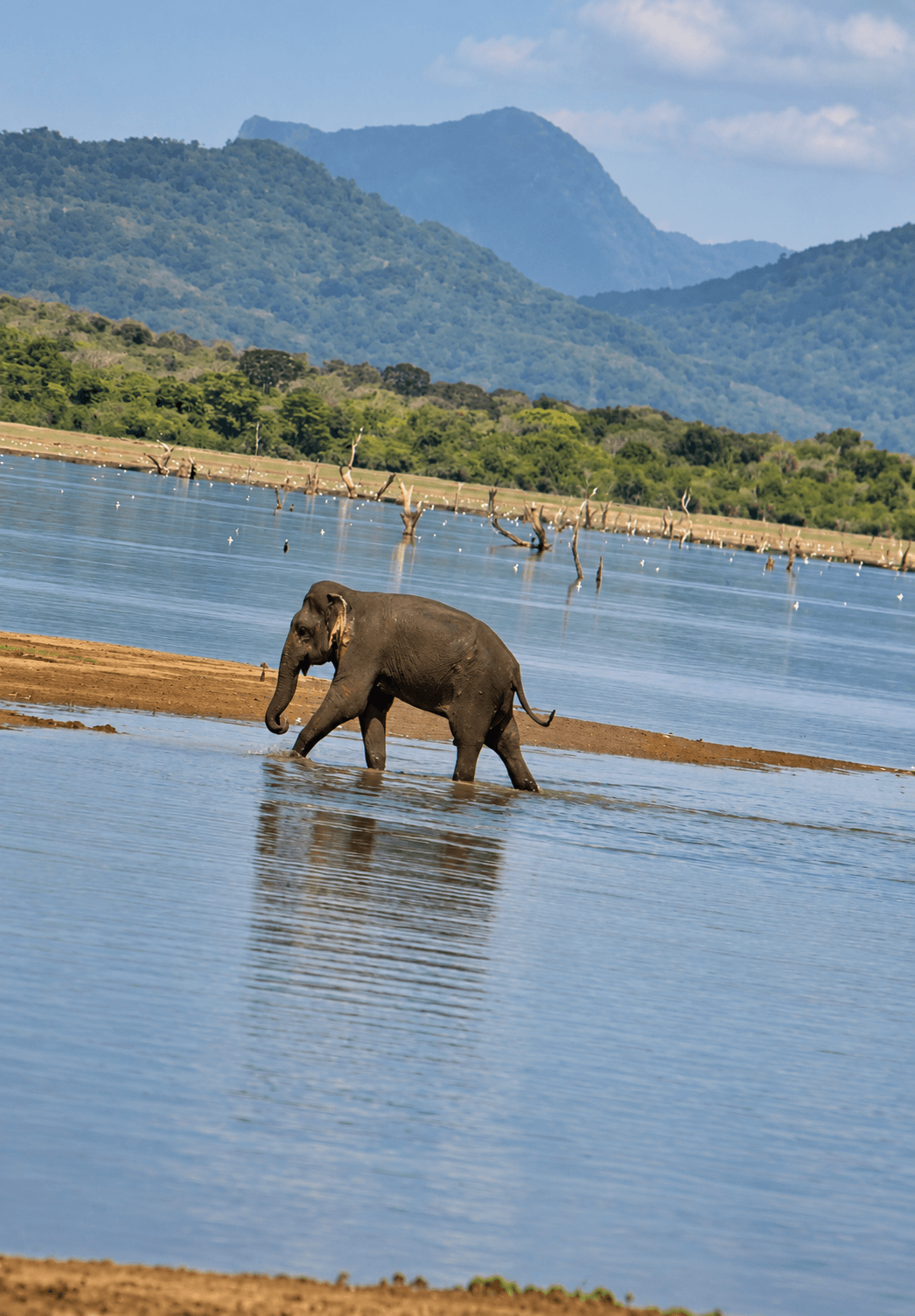
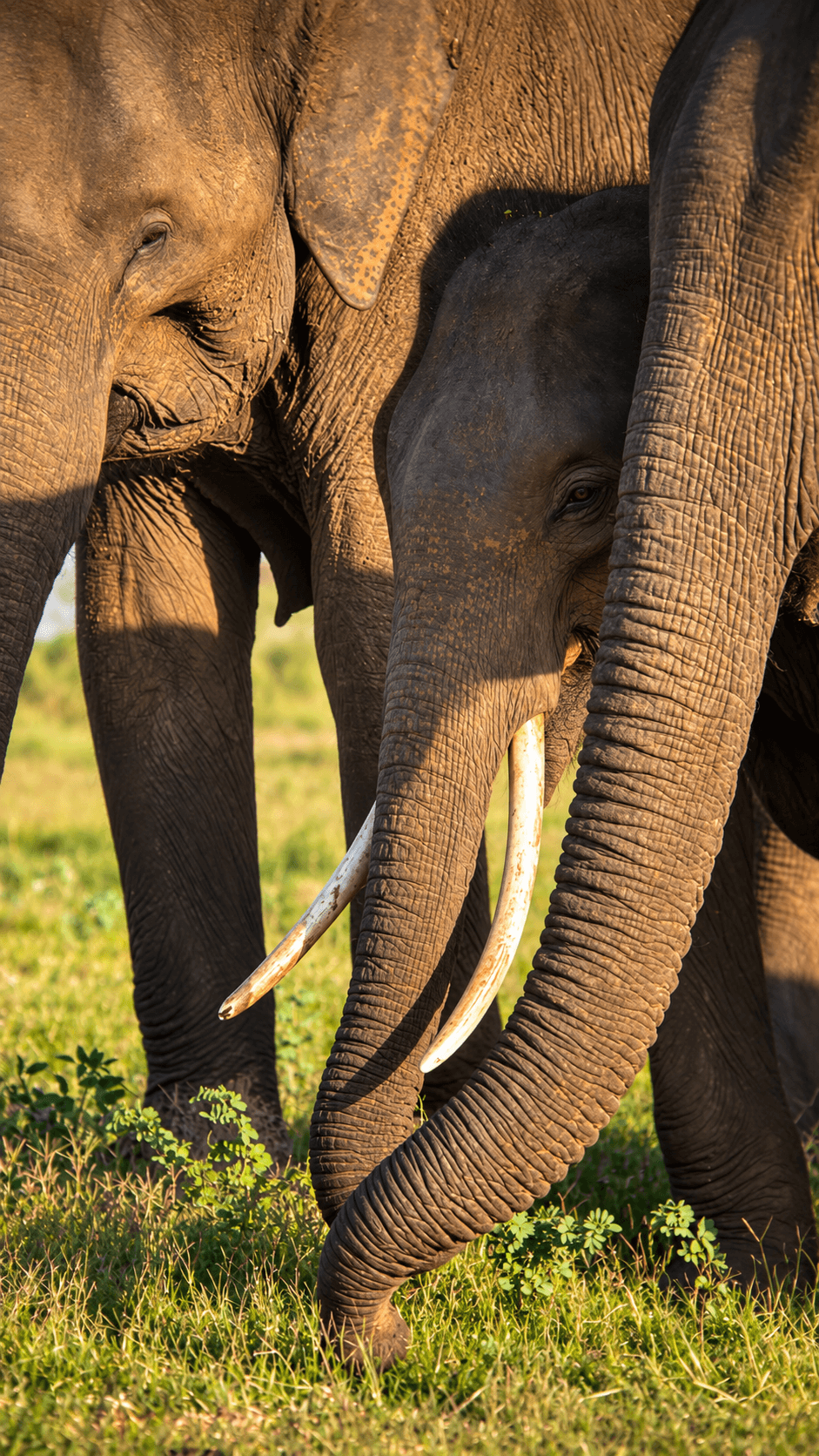
Yala National Park remains an irreplaceable jewel of global biodiversity. In an era where wild places are increasingly fragmented, Yala stands as a testament to the power of conservation, ecological balance, and human reverence for the natural world. Whether you are tracking a stealthy leopard through the morning mist, watching wild elephants crossing the Menik Ganga, or marveling at an ancient sloth bear feasting on golden Palu berries, an expedition guided by true master naturalists transforms a simple vacation into an unforgettable lifelong connection with the natural world.
Species Covered in this Monograph:
Track the wildlife mentioned in this guide. Check off species you hope to encounter during your game drive: