
Section 1: The Evolutionary Paleontology and Speciation of Elephas maximus maximus
Spanning deep evolutionary epochs dating back to the late Miocene and early Pliocene, the Order Proboscidea once represented one of the most widespread and ecologically dominant mammalian lineages on the planet, with over 160 distinct fossil species identified across five continents. Today, that once-prolific evolutionary tapestry has narrowed to just three surviving species: the African Savanna Elephant (*Loxodonta africana*), the African Forest Elephant (*Loxodonta cyclotis*), and the Asian Elephant (*Elephas maximus*). Within the Asian elephant lineage, mammalogists recognize three extant subspecies: the Indian elephant (*Elephas maximus indicus*), the Sumatran elephant (*Elephas maximus sumatranus*), and the nominate subspecies, the Sri Lankan elephant (*Elephas maximus maximus*).
Formally designated by Swedish naturalist Carl Linnaeus in his monumental 1758 work *Systema Naturae*, *Elephas maximus maximus* is the largest and most distinct of the three Asian subspecies. Over thousands of generations of geographic isolation on the island of Sri Lanka following the submergence of the Pleistocene land bridge across the Palk Strait, the Sri Lankan elephant evolved distinct phenotypic characteristics. Sri Lankan elephants exhibit darker pigmentation on their hides, characterized by a deep charcoal-grey to slate-black base tone, contrasted against dramatic, extensive patches of pinkish-cream depigmentation (*vitiligo*) across their ears, foreheads, trunks, and underbellies. This depigmentation is not a genetic disease; rather, it is a benign morphological hallmark of age and genetic lineage that becomes increasingly prominent as the animal matures.
Furthermore, Sri Lankan elephants exhibit exceptional physical stature. Mature bulls in the southern dry zone of Udawalawe and Yala frequently reach shoulder heights of 3.0 to 3.4 meters (9.8 to 11.2 feet) and body masses between 4,500 and 5,500 kilograms (9,900 to 12,100 lbs). In comparison, Sumatran elephants rarely exceed 2.6 meters in shoulder height. Their immense size, coupled with profound cranial doming and expansive ear pinnae (which, while smaller than those of their African cousins, are proportionately larger than those of Indian and Sumatran specimens), marks the Sri Lankan elephant as a true titan of the Asian wilderness.
The ecological home of this island titan has always been the vast, interconnected river basins and dry evergreen forests of the lowland dry zone. Historical records from the ancient Sinhala chronicles (*Culavamsa* and *Mahavamsa*) describe an island teeming with tens of thousands of wild elephants roaming across the plains of Ruhuna and Rajarata. They were revered in Buddhist scripture, protected by royal decrees of ancient monarchs who made elephant hunting a capital offense, and celebrated as sacred living embodiments of wisdom, stability, and cosmic strength. Today, while their geographic range has contracted due to human agricultural expansion, Southern Sri Lanka — anchored by Udawalawe National Park and Yala National Park — remains the undisputed sanctuary of Asian elephant survival.
Section 2: Biogeography of Udawalawe: The East African Savannah of South Asia
To understand why Udawalawe National Park is hailed as Asia's premier elephant sanctuary, one must examine its distinct bioclimatic and topographical setting. Covering 30,821 hectares (119 square miles) across the boundary of the Southern and Sabaragamuwa Provinces, Udawalawe was established as a national park on June 30, 1972, under the Fauna and Flora Protection Ordinance. The park was originally created to provide an inviolable sanctuary for wild animals displaced by the construction of the massive Udawalawe Reservoir on the Walawe River, as well as to safeguard the reservoir’s critical water catchment basin.
The resulting landscape is unlike anywhere else in Sri Lanka. While Yala is dominated by dense, thorny scrub jungle and granite inselbergs, Udawalawe features immense rolling grasslands, open scrub plains, marshes, and secondary riverine gallery forests that bear an uncanny resemblance to the East African savannahs of the Serengeti and Maasai Mara. The park is framed to the north by the majestic misty escarpments of the Rakwana mountain range and the central highlands, creating a cinematic amphitheater of raw nature.
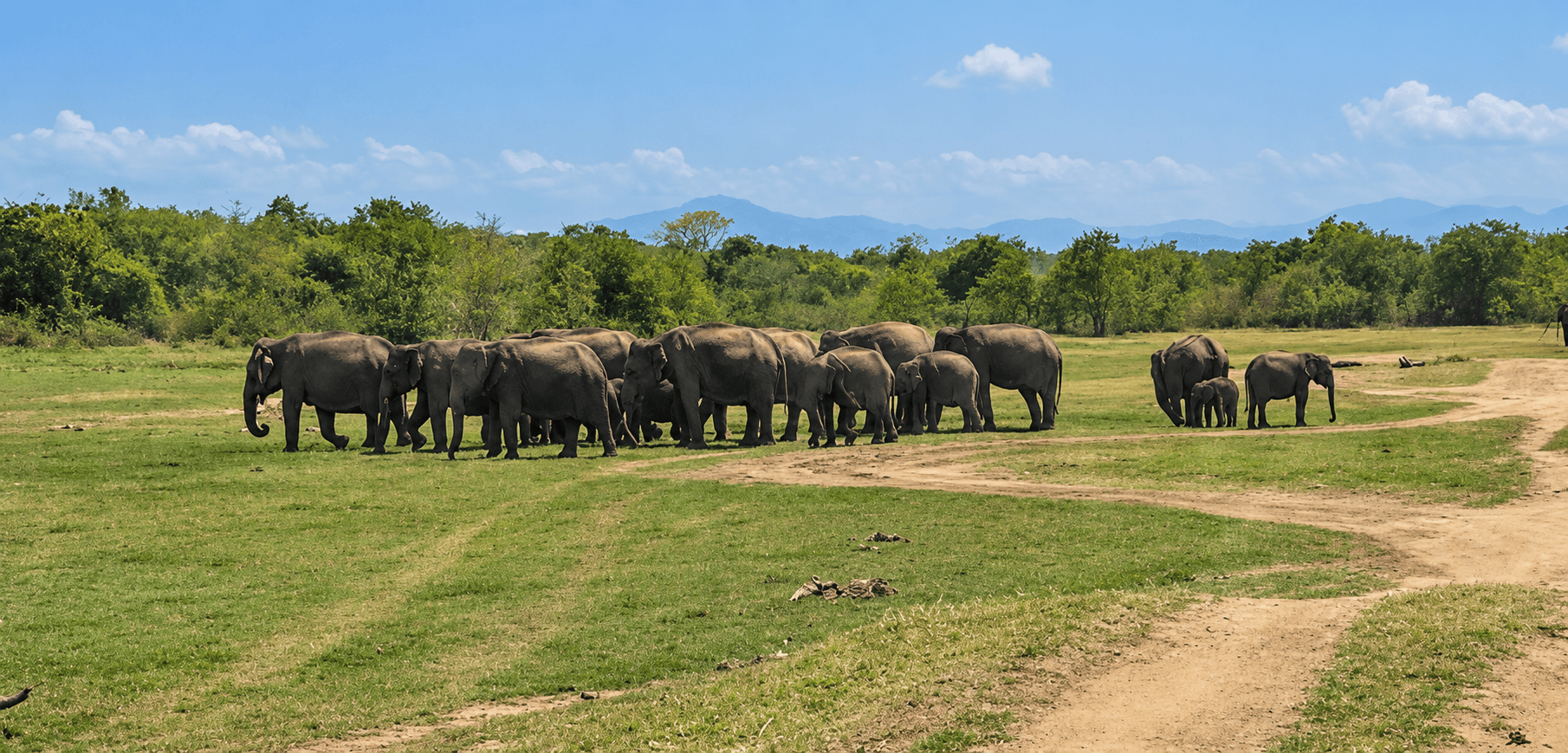
The lifeblood of the entire ecosystem is the colossal Udawalawe Reservoir, a 30,000-hectare freshwater inland sea. Because the reservoir maintains high water levels even during prolonged dry spells, Udawalawe possesses an unusually high ecological carrying capacity for large herbivores. Over 500 wild elephants reside permanently within the park boundaries — a staggering density of approximately 1.6 to 2.0 elephants per square kilometer. This extraordinary concentration means that visitors embarking on a morning or afternoon safari are virtually guaranteed to observe wild elephant family herds feeding, playing, and bathing in unhindered freedom.
Habitat Micro-Zones within Udawalawe: 1. **The Open Grassland Savannahs:** Dominated by tall Guinea grass (*Megathyrsus maximus*), elephant grass (*Pennisetum purpureum*), and *Imperata cylindrica*, providing vast pastures where family herds graze in full daylight. 2. **Abandoned Teak Forest Plantations:** Relics of pre-park commercial forestry along the northern sector, featuring towering teak trees (*Tectona grandis*) with massive leaves that elephants strip for bark and fiber. 3. **Riverine Kumbuk Gallery Forests:** Dense riparian corridors flanking the Walawe Ganga, lined with colossal ancient *Terminalia arjuna* trees whose wide buttress roots stabilize riverbanks and provide cooling shade during the blazing midday heat. 4. **The Reservoir Drawdown Marshes:** Expansive mudflats and seasonal shallows carpeted with tender sedges, water lilies, and aquatic reeds that attract massive gatherings of cows and newborn calves each afternoon.
Elephant society is one of the most intricate, sophisticated, and deeply emotional social networks in the animal kingdom. At its core, elephant society is strictly matriarchal, constructed around multi-generational families composed entirely of related adult females — grandmothers, mothers, sisters, daughters, and aunts — and their dependent juvenile offspring.
When a matriarch halts, tests the wind with her elevated trunk, and begins walking in a determined direction, the entire herd falls into single-file formation behind her without hesitation. Her decisions are calm, measured, and absolute.
One of the most touching aspects of elephant ethology is **allomothering** — collective parenting. A newborn calf is not solely the responsibility of its biological mother. Adolescent females (between 8 and 14 years old) eagerly volunteer as allomothers, hovering over the baby, steering it away from muddy ditches, shading it from the blistering sun with their own bodies, and caressing it with their trunks whenever it emits a distress squeak. This cooperative childcare allows the biological mother to feed continuously to maintain her milk production, while providing young adolescent females with indispensable maternal training before they give birth to their own first calves.
Section 4: Bioacoustics and Infrasound Communication: The Language of the Ground
Human observers standing near an elephant herd are often struck by how extraordinarily silent these massive creatures can be. A 4,000-kilogram animal can glide through tall grass without snapping a single dry twig. However, the apparent silence is an optical illusion: beneath the human hearing threshold, the forest is reverberating with an ongoing, complex symphony of acoustic communication.
Elephants communicate primarily through **infrasound** — low-frequency acoustic vocalizations between 14 and 24 Hertz (Hz). For comparison, the lower limit of human acoustic perception is approximately 20 Hz, meaning that the vast majority of elephant vocalizations are completely inaudible to human ears, though they can often be felt as a deep, resonant vibration in the chest cavity of onlookers.
Mechanics of Infrasonic Propagation: Infrasonic rumbles have extraordinary physical properties. High-frequency sound waves scatter and attenuate rapidly against trees, bushes, and thermal air currents. Low-frequency infrasound waves, by contrast, have massive wavelengths (up to 20 meters long) that bend effortlessly around physical obstacles and travel through both the atmosphere and the earth with minimal energy loss. Under optimal atmospheric conditions at dawn and dusk when temperature inversions create an acoustic ceiling, an elephant’s low-frequency rumble can travel up to 10 to 12 kilometers (6 to 7.5 miles) through the air and even further through the ground.
Seismic Sensing via Footpad Mechanoreceptors: How do distant elephants receive these subterranean seismic signals? The anatomy of the elephant foot is a masterpiece of sensory engineering: - **Pacinian Corpuscles:** The thick, fibrous fatty cushion (*digital pad*) on the sole of an elephant’s foot is densely packed with specialized mechanoreceptors called Pacinian corpuscles, which are tuned to detect microscopic ground vibrations. - **Bone Conduction:** When an elephant detects a distant seismic rumble, it exhibits a characteristic behavioral freeze: it halts mid-stride, shifts its weight forward onto all four feet, presses the tip of its trunk firmly against the earth, and turns its head into the wind. Seismic vibrations travel up through the footpads, resonate through the heavy skeletal limb bones, pass through the shoulder and pelvis, and enter the middle ear via bone conduction (*ossicular chain*). - **Trunk Sensory Receptors:** The sensitive finger-like tip of the trunk is studded with thousands of tactile nerve endings (*Merkel cells* and *vibrissae*) that can detect subtle seismic waves passing through the soil.
Through this subterranean internet, a matriarch in Udawalawe can coordinate herd movements with related families miles away, broadcast warnings about approaching danger, or listen for the booming low-frequency rumbles of distant musth bulls seeking receptive mates.
Section 5: Anatomy, Biomechanics, and the Super-Organ of the Trunk
The anatomy of the Asian elephant represents an astonishing evolutionary compromise between immense gravitational load-bearing and delicate, millimetric dexterity.
1. The Skeletal Suspension: Unlike cursorial mammals whose limbs are angled and flexed (such as horses or big cats), an elephant's limb bones are oriented in a virtually vertical column (*graviportal limb structure*). This straight, pillar-like arrangement allows the skeleton to support immense body weights with minimal muscular exertion. The bones are exceptionally dense, with virtually no marrow cavities in the long bones (*pachyostosis*), providing massive structural rigidity.
2. The Skull and Pneumatization: An elephant’s brain is the largest of any terrestrial animal, weighing approximately 5 kilograms (11 lbs). Supporting this brain, along with immense jaw muscles and heavy ivory tusks, requires an enormous skull. To keep the skull lightweight while maintaining structural integrity, the cranial bones are heavily **pneumatized** — honeycomb-like networks of hollow air cavities separated by thin bony struts (*trabeculae*). This architectural marvel provides massive surface area for muscle attachments while reducing overall skull weight by over 45%.
3. The Trunk (*Proboscis*): Nature's Ultimate Multi-Tool: The elephant’s trunk is a muscular hydrostat formed by the fusion of the upper lip and the nose. It contains no bones and no cartilage whatsoever; rather, it is comprised of an intricate matrix of longitudinal, radial, and oblique muscle fibers. Anatomists estimate that an adult elephant trunk contains between **40,000 and 60,000 individual muscle fascicles**. - **Strength:** A full-grown bull can use its trunk to uproot a mature teak tree weighing over 350 kilograms (770 lbs). - **Finesse:** The tip of the Asian elephant's trunk features a single prehensile finger-like projection (African elephants have two). This finger is so exquisitely sensitive that an elephant can pick up a single coin from smooth concrete, pluck a delicate blade of grass, or delicately peel the rind off a ripe banana without squashing the fruit. - **Water Siphoning:** An elephant does not drink directly through its trunk like a straw; doing so would cause water to enter its lungs. Instead, it uses muscular suction to siphon up to 8 to 10 liters of water into its nasal cavities, curls the trunk inward, inserts the tip into its mouth, and discharges the water down its throat in a single refreshing gulp.
4. Dentition and the Six-Set Molar Conveyor Belt: Elephants possess a unique dental system known as **polyphyodonty**. They do not shed teeth vertically like humans. Instead, an elephant possesses four massive grinding molars (one in each jaw quadrant) that move forward horizontally from the back of the jaw like a conveyor belt. Over an elephant’s lifespan, it goes through **six successive sets of molars**. As an active molar is worn down to the root by grinding abrasive grasses and silica-rich vegetation, it gradually pushes forward, fragments, and falls out, replaced by a fresh, larger molar advancing from behind. The arrival of the sixth and final set of molars occurs around age 40 to 45. Once this final set wears smooth in old age (typically around 60 to 70 years), the animal can no longer chew coarse vegetation and gradually succumbs to malnutrition — the natural ceiling of elephant longevity in the wild.
Section 6: Dust Bathing, Mud Wallowing, and Thermoregulatory Physics
Watching an elephant herd gather at a watering hole in Udawalawe is one of the most joyous, visually captivating spectacles in the natural world. Far from being a casual leisure activity, bathing, wallowing, and dust spraying are life-or-death physiological necessities.
1. The Surface-Area-to-Volume Dilemma: As warm-blooded mammals increase in physical size, their body volume increases as a cubic function (x³), while their surface area increases only as a square function (x²). Consequently, an enormous 5,000-kilogram elephant has an exceptionally small surface area relative to its colossal internal body mass. Generating massive metabolic heat from digesting hundreds of kilograms of fermenting cellulose in their vast hindguts, elephants face a constant risk of fatal hyperthermia under the blazing tropical sun. Furthermore, unlike humans, elephants possess virtually no sweat glands across their bodies, save for microscopic pores between their toenails. How, then, do they shed heat?
2. The Ear Pinnae Heat Radiators: The massive ear flaps of the elephant function as biological cooling radiators. The skin on the back of the ear is paper-thin and laced with an intricate network of large blood vessels (*auricular capillaries*). When an elephant flaps its ears, the ambient breeze cools the blood circulating through these vessels by as much as 5°C to 6°C before it returns to the body core. On hot afternoons, an elephant can circulate its entire blood volume through its ears every twenty minutes.
3. Mud Wallowing and Clay Armor: When ear flapping is insufficient, elephants submerge themselves in mud pits along the reservoir. Rolling luxuriously in the cool, nutrient-rich clay, they coat every square inch of their skin in a thick slurry. As the water in the mud evaporates slowly over several hours, it absorbs latent heat from their skin, providing prolonged cooling that mimics human perspiration. Once the mud dries in the sun, it forms a protective, mineral-rich crust. This crust serves two indispensable functions: - **Solar Radiation Barrier:** The clay blocks harmful ultraviolet (UV) radiation from burning their sensitive skin. - **Ectoparasite Trap:** Biting horseflies (*Tabanidae*), ticks, and lice become trapped in the drying clay. When the elephant later scratches its flanks against a rough Kumbuk tree or granite rock, the hardened mud flakes off in large sheets, taking thousands of trapped parasites with it.
4. Dust Spraying: The Final Sunscreen: Immediately following a mud bath, elephants use their trunks to scoop up mounds of dry, fine red sand and spray it rhythmically over their shoulders, backs, and heads. The dry dust adheres to the damp mud layer, creating an impermeable barrier against stinging insects, reflecting solar radiation, and sealing in moisture.
Section 7: Solitary Bulls, Musth Ecology, and Dominance Hierarchies
While females and calves live in tight-knit matriarchal clans, the life of an adult male Asian elephant follows a radically different, solitary path.
The Physiology and Fury of Musth: The defining biological phenomenon of the adult male elephant is **musth** (derived from the Persian and Urdu word *mast*, meaning "intoxicated" or "ecstatic"). Musth is a periodic physiological condition that occurs once a year in healthy, prime adult bulls (typically between 25 and 55 years of age), lasting anywhere from several weeks to three months.
During musth: 1. **Testosterone Explosion:** A bull's circulating blood testosterone levels surge by **up to 60 times** normal levels, frequently exceeding 100 to 150 nanograms per milliliter. This hormonal flood transforms a normally placid bull into a hyper-aggressive, dominant breeding machine. 2. **Temporal Gland Secretion:** The temporal glands located midway between the eye and the ear swell dramatically, discharging a thick, pungent, tar-like fluid called *temporin*. This oily fluid trickles down the bull’s cheeks, emitting a strong, musky odor that can be smelled by humans from 100 meters away. 3. **Continuous Urine Dribbling:** The musth bull suffers from involuntary, continuous urine leakage (*green penis syndrome*), staining his hind legs and penis sheath a greenish-white. This urine contains powerful pheromones that broadcast his physiological potency across the forest. 4. **Dominance Shift:** In elephant society, a bull in full musth outranks even much larger non-musth bulls. Even a 3,500-kg bull in musth can intimidate and displace a 5,000-kg non-musth bull from a herd of estrous females. The non-musth bull instinctively retreats, recognizing that a musth bull is biologically primed to fight to the death with reckless ferocity.
Observing Musth Bulls Safely on Safari: A bull in musth demands absolute respect and distance from safari guides. Naturalists watch for warning signs: - Elevated, rigid head posture with ears cocked forward at 90 degrees. - Direct, unblinking eye contact locked onto the vehicle. - Violent thrashing of branches, foot-stamping, and trunk-curling. - Mock charges (*displacement behavior*) versus genuine, silent, ears-pinned charges. At Yala Wild Safari, our guides maintain a strict 40-meter buffer from musth bulls, positioning vehicles with an unobstructed reverse escape route at all times.
Section 8: The Legendary Tuskers of Ruhuna: Genetics, Poaching, and Survival
One of the most striking evolutionary peculiarities of the Sri Lankan elephant is the extreme rarity of ivory tusks among male bulls. In continental African elephants, both males and females possess prominent ivory tusks. In continental Asian elephant populations (such as in India and Thailand), roughly 40% to 50% of adult males possess tusks (*tuskers* or *ath-kanda*), while females carry only small, hidden vestigial tusks called tushes (*han-dha*).
In Sri Lanka, however, **less than 6% to 7% of wild male elephants possess tusks**. Why does this island have such an exceptionally low proportion of tusked bulls?
1. Artificial Selection through Colonial Ivory Slaughter: The primary cause of tusk scarcity is centuries of severe artificial selection driven by colonial trophy hunting and the ivory trade. During the Portuguese (1505–1658), Dutch (1658–1796), and especially the British colonial period (1796–1948), wild elephants were systematically slaughtered in the tens of thousands. British colonial sports hunters, most notoriously Major Thomas William Rogers (who claimed to have personally shot over 1,400 wild elephants in Sri Lanka before being struck by lightning in 1845), specifically targeted large tusked bulls for their valuable ivory trophies. By systematically shooting the largest, most magnificent tusked bulls before they could reach reproductive prime and sire offspring, colonial hunters artificially weeded out the genetic alleles responsible for tusk development. The tuskless males (*tushers* or *maknas*) survived, mated with the breeding females, and passed on their tuskless genetic traits to subsequent generations.
2. The Rise of the *Makna* (Tuskless Bull): Today, the vast majority of male elephants in Sri Lanka are *maknas* — strong, muscular bulls without visible tusks. Far from being disadvantaged, *maknas* often grow larger, heavier bodies and broader skulls than tuskers, utilizing their massive body weight and thick foreheads to win dominance battles against rivals.
3. Famous Living Tuskers of Yala and Udawalawe: Despite their rarity, the southern wilderness of Sri Lanka is home to several world-famous tuskers that have attained cultural and natural history legend: - **"Gemunu" (The Coastal King):** Perhaps the most famous elephant in modern Sri Lankan history. Inhabiting Yala Block 1, Gemunu is an immense tusker known for his bold, curious demeanor. Over decades of familiarity with safari vehicles, Gemunu famously inspects open-top jeeps, using his trunk to gently search backpacks and dashboard compartments for sweet fruit while leaving passengers completely unharmed. - **"Sumedha" (The Majestic Tusker of Buttala):** A colossal bull possessing magnificent, symmetrically curved ivory tusks extending nearly four feet from his jaw. Sumedha frequents the riverine forests of Block 5 (Galge) and the Lunugamvehera corridor. - **"Walawe Kota" (The Short-Legged Icon):** A beloved Udawalawe bull whose distinctive, stocky limbs and gentle personality made him a favorite subject of behavioral researchers for over two decades.
Section 9: The Udawalawe Elephant Transit Home (ETH): A Global Conservation Benchmark
Situated immediately adjacent to the southern boundary of Udawalawe National Park lies an institution that represents the gold standard of ethical wildlife rehabilitation: the **Elephant Transit Home (ETH)**, known locally as *Ath Athuru Sevana*.
Established on October 6, 1995, by the Department of Wildlife Conservation (DWC) under the visionary guidance of veterinarian Dr. Nandana Atapattu and supported by international conservation charities including the Born Free Foundation, the ETH was born out of a desperate conservation need: rescuing orphaned, injured, or abandoned baby elephants from the battlegrounds of human-elephant conflict across Sri Lanka.
The Non-Contact Conservation Philosophy: Unlike exploitative commercial elephant camps or tourist attractions that force calves to perform tricks, offer rides, or endure petting by tourists, the ETH enforces a rigorous **zero-contact ethical charter**: 1. **Human Contact Minimization:** The primary goal is returning calves to 100% wild, independent existence. Direct human touch is restricted strictly to licensed veterinarians and professional keepers during medical examinations and feeding times. Keepers wear neutral uniforms and refrain from speaking to the calves, ensuring the animals do not become habituated to human affection. 2. **Foster Enclosures in Natural Forest:** Between feedings, the calves do not live in concrete stables or chains. Instead, they roam freely within a 200-hectare tract of natural woodland bordering the Udawalawe Reservoir, foraging on wild grasses, taking mud baths, and interacting with their peers in natural herd hierarchies. 3. **Nutritional Care:** Baby elephants in the wild nurse from their mothers until 4 to 5 years of age. At the ETH, calves are fed warm, specialized human-grade milk formula (supplemented with essential electrolytes and vitamins) every four hours, totaling up to 25 to 35 liters per day per calf.
The Phased Soft-Release Protocol: When calves reach approximately 4.5 to 5 years of age, achieve robust body mass, and demonstrate self-sufficient foraging abilities, the rehabilitation process enters its final, crowning phase: - **Radio-Telemetry Collaring:** Selected cohorts of 8 to 12 rehabilitated calves are fitted with lightweight GPS satellite tracking collars. - **Soft Release into Udawalawe National Park:** The gate separating the transit enclosure from the national park is opened, allowing the youngsters to wander into the wild savannah at their own pace. - **Post-Release Monitoring:** DWC research teams track the collared elephants daily, monitoring their integration into wild matriarchal herds, their foraging efficiency, and their reproductive success. To date, the ETH has successfully rehabilitated and released **over 500 wild elephants** back into the wild. Many released females have been documented giving birth to healthy, wild-born calves — the ultimate metric of conservation triumph.
Public Viewing Times at ETH: Visitors to Udawalawe can witness the heartwarming public milk feeding sessions from an elevated observation platform 50 meters away: - **09:00 AM:** Morning Milk Session - **12:00 PM:** Midday Session - **03:00 PM:** Afternoon Session - **06:00 PM:** Sunset Feeding
Section 10: The Human-Elephant Conflict (HEC): Science, Community, and Coexistence
While national parks like Udawalawe and Yala offer safe havens, the reality outside protected borders is fraught with tension. Sri Lanka has the highest density of wild Asian elephants of any nation on earth (estimated at 6,000 to 7,500 individuals sharing an island of just 65,610 square kilometers with 22 million people). Over 70% of Sri Lanka's wild elephant population ranges outside designated protected areas.
The resulting clash between agricultural expansion and elephant habitat is known as the **Human-Elephant Conflict (HEC)** — the single greatest conservation challenge facing Sri Lanka today.
The Toll of the Conflict: - **Elephant Fatalities:** Each year, between 350 and 450 wild elephants are killed in Sri Lanka, primarily through illegal shotgun traps, deliberate poisonings, electrocution from illegal tapping of high-voltage agricultural power lines, and the horrific *Hakka Patas* (jaw-exploders) — crude explosive devices concealed inside melons or pumpkins that detonate when bitten, shattering the animal's jaw and causing a slow, agonized death from starvation. - **Human Casualties:** Annually, approximately 100 to 140 human lives are lost due to elephant encounters, alongside catastrophic crop damage that plunges subsistence farming families into severe financial ruin.
Section 11: An Hour-by-Hour Naturalist Tracking Log in Udawalawe
To experience Udawalawe through the eyes of a professional field naturalist is to immerse yourself in the subtle rhythms of the savannah. Below is an authentic field log from a full-day game drive in Udawalawe.
05:45 AM – 07:15 AM: Entering the Mist & The Dawn Grasslands The engine of our custom Land Cruiser idles softly at the main entrance gate. The morning air is crisp (22°C), carrying the earthy scent of wet Guinea grass. As we cross the park boundary, low-hanging mist clings to the water margins. Less than 800 meters from the gate, a family herd of eight elephants emerges silently from an abandoned teak grove. The morning sun strikes their dew-coated hides, casting long, dramatic golden shadows across the yellow grasslands. A tiny calf, barely two months old with fuzzy reddish hair covering its brow, walks tucked snugly beneath the belly of its mother.
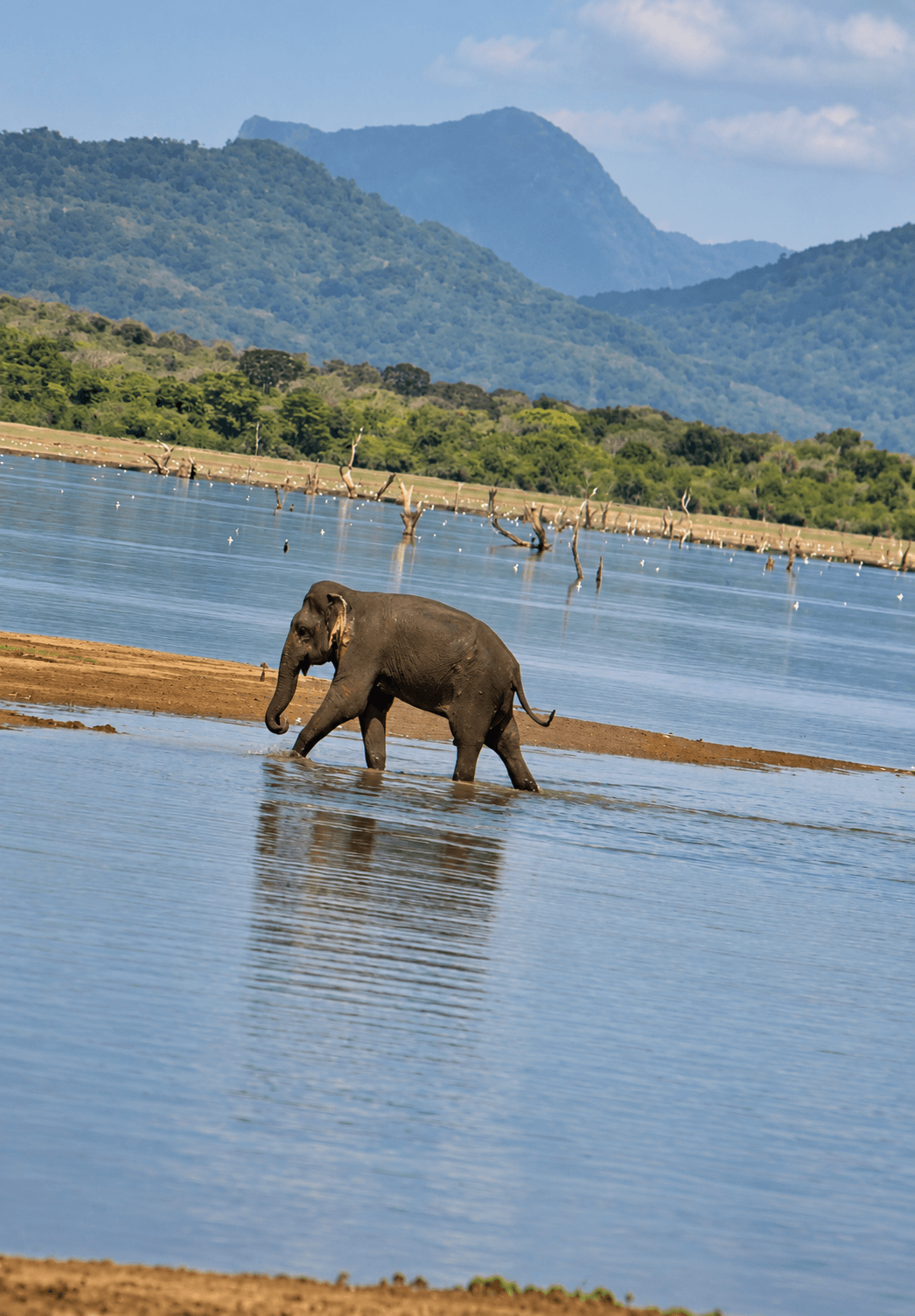
09:30 AM – 12:00 PM: The Lone Tusker at the Reservoir Margin Moving west toward the massive expanse of the Udawalawe Reservoir, our guide spots a solitary silhouette framed against the misty blue outline of the Rakwana mountain range. It is an impressive adult bull, his forehead elevated in confident majesty, sporting thick ivory tusks that reach past his knees. He stands waist-deep in the reservoir shallows, using his front feet to kick up lush water lily roots (*Nymphaea pubescens*) before deftly washing the mud off in the clear water and consuming the succulent stems.
12:00 PM – 02:30 PM: Midday Canopy Respite Flanking the Walawe River As midday temperatures soar to 34°C, we retreat to the shaded gallery forests along the Walawe Ganga. Colossal Kumbuk trees form a dense, cooling canopy. Here, wild water buffaloes (*Bubalus arnee*) wallow peacefully among pink lotus blossoms, while Crested Serpent Eagles and White-bellied Sea Eagles call from high branches overhead.
02:30 PM – 05:00 PM: The Great Afternoon Influx at Veheragolla By mid-afternoon, the herds begin moving out of the forest shade and converging upon the reservoir drawdowns. At Veheragolla, we count over sixty-five elephants scattered across the lush green marshes. Calves chase flocks of egrets across the mudflats, while two adolescent bulls engage in a spirited sparring match, testing their strength by pushing forehead against forehead with loud clattering thuds.
05:00 PM – 06:15 PM: Sunset Silhouette & The Departure The final hour of daylight paints the sky in shades of blazing apricot, magenta, and deep indigo. As the sun dips behind the distant mountain ridge, an elephant herd crosses the main trail directly in front of our vehicle, their dark silhouettes framed against the glowing golden water of the reservoir. We exit the park gates at 06:15 PM, humbled by the majesty of these gentle giants.
Section 12: Comprehensive Biodiversity Checklist of Udawalawe National Park
While the Asian elephant is the undisputed star of Udawalawe, the park supports a magnificent wealth of wildlife across multiple taxonomic orders:
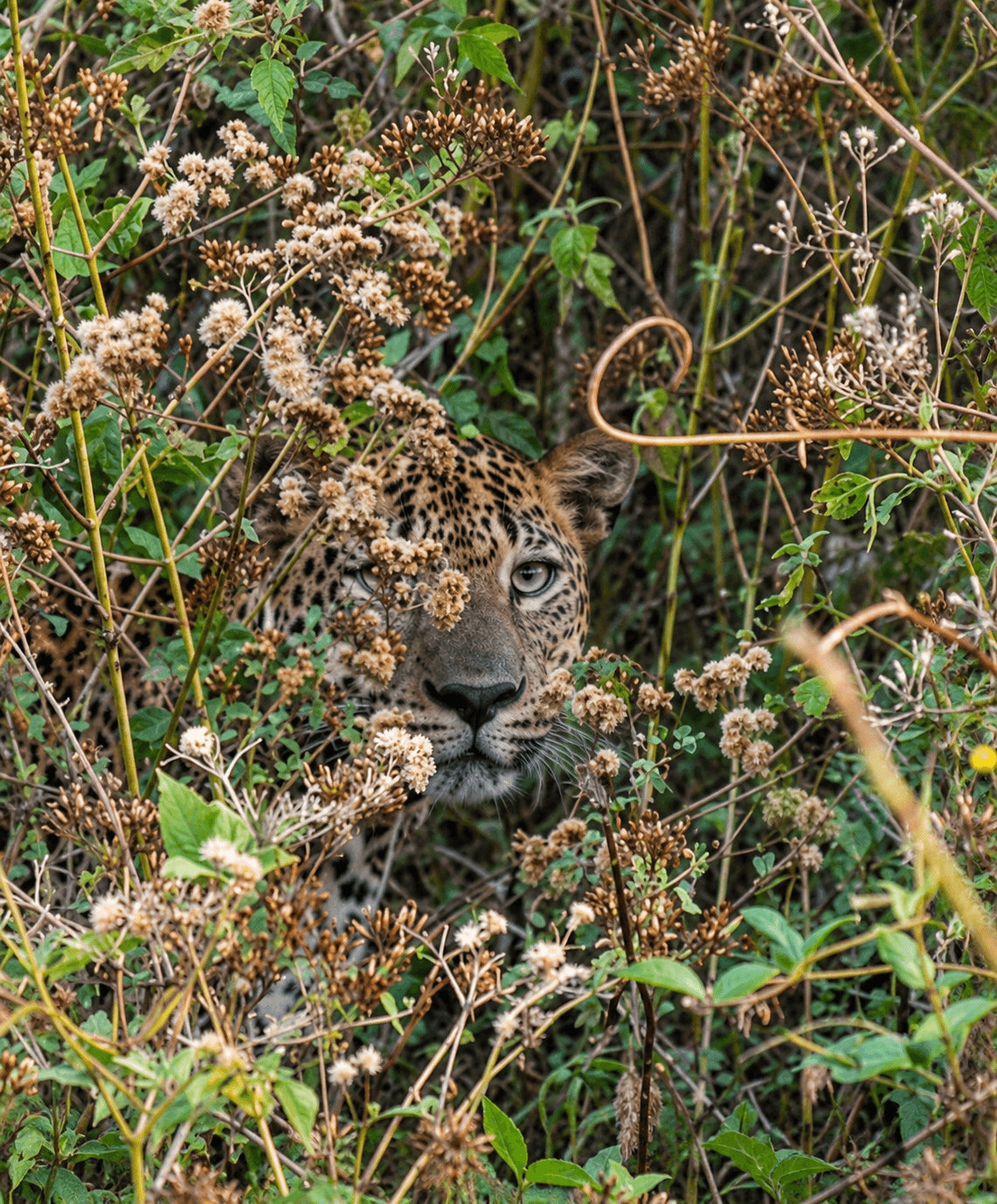
1. Mammals (39 Recorded Species): - **Carnivores:** Sri Lankan Leopard (*Panthera pardus kotiya* — secretive resident, primarily active in the northern rocky sectors), Golden Jackal (*Canis aureus naria*), Jungle Cat (*Felis chaus kelaarti*), Fishing Cat (*Prionailurus viverrinus*), Rusty-spotted Cat (*Prionailurus rubiginosus*), Ruddy Mongoose (*Urva smithii*), Grey Mongoose (*Urva edwardsii*), Stripe-necked Mongoose (*Urva vitticollis*), Asian Palm Civet (*Paradoxurus hermaphroditus*). - **Herbivores & Ungulates:** Sri Lankan Spotted Deer (*Axis axis ceylonensis* — herds of hundreds grazing on savannah grasslands), Sambar Deer (*Rusa unicolor*), Indian Muntjac / Barking Deer (*Muntiacus muntjak*), Sri Lankan White-striped Chevrotain (*Moschiola meminna*), Wild Boar (*Sus scrofa affinis*), Wild Water Buffalo (*Bubalus arnee*). - **Primates:** Tufted Grey Langur (*Semnopithecus priam*), Toque Macaque (*Macaca sinica*). - **Small Mammals:** Indian Crested Porcupine (*Hystrix indica*), Indian Hare (*Lepus nigricollis*), Indian Pangolin (*Manis crassicaudata*).
2. Avifauna (184 Recorded Species): - **Raptors & Birds of Prey:** White-bellied Sea Eagle, Crested Serpent Eagle, Changeable Hawk-Eagle, Grey-headed Fish Eagle, Brahminy Kite, Black-winged Kite, Shikra, Peregrine Falcon. - **Wetland & Waterfowl:** Spot-billed Pelican, Painted Stork, Asian Openbill, Woolly-necked Stork, Black-headed Ibis, Eurasian Spoonbill, Little Cormorant, Indian Cormorant, Great Cormorant, Oriental Darter, Grey Heron, Purple Heron, Black-crowned Night Heron. - **Endemics & Forest Birds:** Sri Lanka Junglefowl, Sri Lanka Spurfowl, Sri Lanka Grey Hornbill, Malabar Pied Hornbill, Orange-breasted Green Pigeon, Green Imperial Pigeon, Blue-faced Malkoha, Sirkeer Malkoha, Indian Roller, Crested Treeswift, Little Green Bee-eater, Blue-tailed Bee-eater, Chestnut-headed Bee-eater.
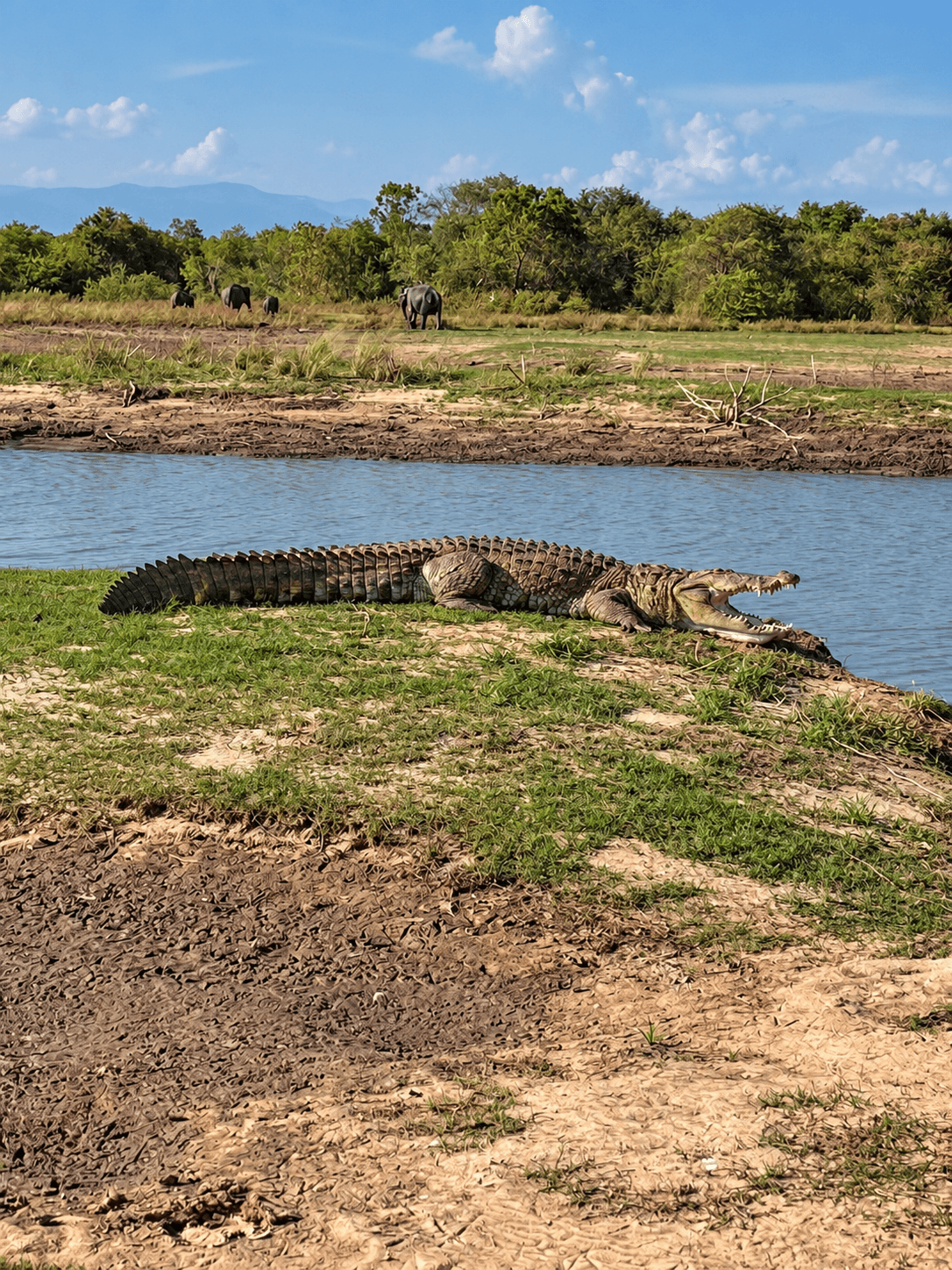
3. Reptiles (33 Recorded Species): - **Mugger Crocodile (*Crocodylus palustris*):** Thriving in exceptional densities along the reservoir shoreline and deep river pools. - **Lizards & Serpents:** Land Monitor (*Varanus bengalensis*), Water Monitor (*Varanus salvator*), Indian Rock Python (*Python molurus*), Indian Cobra (*Naja naja*), Russell's Viper (*Daboia russelii*), Common Krait (*Bungarus caeruleus*), Indian Star Tortoise (*Geochelone elegans*), Indian Flapshell Turtle (*Lissemys punctata*).
Section 13: Elephant Photography Masterclass: Composition, Lenses, and Lighting
Photographing Asian elephants in the open terrain of Udawalawe offers extraordinary opportunities, but requires careful optical planning to capture the true scale, emotion, and texture of these massive animals.
1. Optical Gear Selection: - **The Versatile Super-Telephoto (100-400mm or 70-200mm f/2.8):** Ideal for isolating emotional interactions within a herd: a trunk gently caressing a calf, locked tusks during a sparring bout, or detailed close-ups of eye lashes and weathered ear textures. - **The Environmental Portrait Lens (24-70mm f/2.8 or 16-35mm f/2.8):** Crucial in Udawalawe. Do not make the mistake of only shooting tight telephoto portraits. Mounting a wide-angle lens allows you to frame solitary bulls against the vast expanse of the reservoir and the dramatic mountain backdrop, conveying the grandeur of their natural environment.
2. Field Exposure Techniques: - **Exposing Dark Elephant Skin:** An elephant’s dark charcoal skin absorbs immense light, causing camera exposure meters to overexpose the surrounding bright grasslands. Dial in **-0.3 to -0.7 EV exposure compensation** to preserve the rich, velvety texture of their hides and prevent blowing out delicate highlight details in dewy grass or sky. - **Capturing Dust Bathing Motion:** To freeze the dynamic explosion of fine dust spraying across an elephant's back, set your shutter speed to **1/1600s or faster** with Continuous AF tracking. Conversely, to capture the ethereal, smoky cloud effect of floating dust in golden backlight, experiment with a slower shutter speed of **1/250s** with a stable camera mount. - **Golden Hour Backlighting:** In the late afternoon (04:45 PM – 05:45 PM), position your vehicle so the setting sun is behind the elephants. The golden backlight will illuminate the fine rim of amber hairs lining the contours of their ears and trunks, creating breathtaking gallery-worthy portraits.
Section 14: Seasonal Movement Matrix: Climate & Waterhole Dynamics in Udawalawe
Unlike Yala, which experiences dramatic seasonal closures and severe drying of waterholes, Udawalawe’s perennial reservoir ensures exceptional year-round wildlife viewing. However, subtle seasonal shifts govern herd distribution:
| Season & Months | Climate & Reservoir Level | Elephant Herd Distribution | Highlights & Best Viewing Times |
|---|---|---|---|
| January – March | Dry, sunny, clear blue skies; mild morning temperatures (22°C). | Herds disperse into open savannah grasslands; large bachelor groups active. | Exceptional visibility; great raptor activity; morning safaris (06:00 AM – 10:00 AM). |
| April – May | Inter-monsoon showers; lush green growth across plains. | Abundant food; high calving rates; energetic playful calves in open meadows. | Vibrant wildflower blooming; high butterfly counts; beautiful green landscape photography. |
| June – September | **Peak Dry Season;** reservoir levels drop, exposing vast mudflats. | **Maximum Herd Concentration:** Hundreds of elephants gather along the reservoir edge. | Massive gatherings (40–80 elephants); high dust-bathing frequency; afternoon safaris (02:30 PM – 06:15 PM). |
| October – November | **Northeast Monsoon rains arrive;** filling tanks and rivers. | Herds move into higher scrub and teak forests to forage on fresh tree shoots. | Dramatic stormy skies; lush vegetation renewal; intimate small-herd encounters. |
| December | Post-monsoon lushness; full reservoir; mild cool weather. | Family herds graze freely across the southern and central plains. | Peak migratory bird arrival; comfortable all-day expedition weather. |
Section 15: Ecological Engineering: How Elephants Shape the Wilderness
In ecological biology, the Asian elephant is classified as a **keystone species** and an **ecosystem engineer**. Their daily activities fundamentally alter the physical structure of the landscape, creating ecological niches that sustain thousands of other plant and animal species:
1. **Seed Dispersal for Megaflora:** Elephants are the primary seed dispersers for large-fruited dry zone trees such as *Dillenia indica* (Elephant Apple), *Careya arborea*, and *Manilkara hexandra*. The seeds pass through the elephant’s digestive tract unharmed, where stomach acids break down hard seed coats (*scarification*). Deposited in nutrient-rich dung piles that retain moisture, the seeds germinate with extraordinary success rates. 2. **Subterranean Water Excavation:** During severe dry spells, elephants use their feet and trunks to dig deep wells in dry sandy riverbeds. Once the elephants drink and move on, these excavated waterholes provide lifesaving water access for spotted deer, wild boar, birds, and insects that would otherwise perish. 3. **Thorn Bush Clearing & Grazing Corridors:** By bulldozing dense thorny scrub, uprooting overgrown bushes, and snapping low branches, elephants prevent savannah grasslands from becoming choked by impenetrable thickets, maintaining open grazing pastures for spotted deer and wild water buffaloes. 4. **Dung Micro-Ecosystems:** A single adult elephant produces over 100 to 150 kilograms of dung per day. Each fresh dung pile becomes an instant ecological city, supporting dung beetles (*Scarabaeidae*), harvester ants, frogs, and foraging birds like junglefowl and babblers that scratch through the dung for insects and undigested seeds.
Section 16: Udawalawe vs. Yala: Choosing the Ideal Safari Destination
Travelers frequently ask our naturalist team: *Should I visit Udawalawe or Yala National Park?* The answer depends on your wildlife priorities:
| Feature & Criterion | Udawalawe National Park | Yala National Park (Block 1–5) |
|---|---|---|
| Primary Wildlife Focus | Wild Asian Elephants (Guaranteed 100%) | Sri Lankan Leopard (Highest Global Density) |
| Landscape Character | Open African-style savannah, rolling plains, large reservoir | Thorny dry scrub, granite rock inselbergs, coastal lagoons |
| Elephant Sighting Probability | 100% (Dozens of elephants every drive) | High (50%–70% probability per drive) |
| Leopard Sighting Probability | Low (Leopards are present but secretive) | Extremely High (85%–90% on full-day drives) |
| Sloth Bear Sighting Probability | Very Low | Moderate to High (Peak in May–July) |
| Birdwatching Focus | Raptors, grassland species, waterfowl | Coastal waders, flamingos, endemics |
| Crowd & Vehicle Density | Low to Moderate (Relaxed, uncrowded) | High in Block 1; Low in Block 5 |
| Ideal Visitor Type | Families, elephant lovers, open-sky photographers | Big cat trackers, high-drama wildlife shooters |
| Recommended Duration | 1 to 2 Half-Day Safaris + ETH Visit | 2 to 3 Full-Day Game Drives |
Section 17: Master Naturalist Glossary of Elephant Ethology & Jungle Terminology
Understanding the specialized vocabulary of elephant behavior enriches your field experience:
- *Aliya* (අලියා): The general Sinhala term for an Asian elephant.
- *Ath-Kanda* (ඇත් කඳ): A magnificent male tusker bull bearing prominent ivory tusks.
- *Makna* (මක්නා): A full-grown adult male bull that naturally lacks ivory tusks.
- *Madha* (මද කිපීම): The state of musth; seasonal surge of testosterone and aggressive dominance in adult bulls.
- *Temporin*: The pungent, oily secretion discharged from the temporal glands during musth.
- *Allomother*: A female elephant (sister, aunt, or grandmother) that assists the biological mother in raising, guiding, and protecting a calf.
- *Infrasound*: Low-frequency acoustic waves below 20 Hz used for long-distance communication through air and soil.
- *Pneumatization*: The honeycomb air-cavity structural design of the elephant skull that maximizes strength while minimizing weight.
- *Polyphyodonty*: The horizontal conveyor-belt dental replacement cycle of six successive sets of molars over an elephant's lifespan.
Section 18: Ethical Wildlife Viewing & Safety Code for Elephant Encounters
At Yala Wild Safari, our encounter protocols prioritize animal welfare and guest safety above all else:
1. **Mandatory 30-Meter Buffer:** We maintain a minimum distance of 30 meters from all elephant family herds, and 40 meters from solitary musth bulls. 2. **Never Cut Off Escape Routes:** A vehicle must never block a herd’s direct path toward water or dense forest. If an elephant herd approaches, our driver gently reverses to maintain comfort distance. 3. **Engine Shutdown & Silence:** At all stationary sightings, engines are switched off immediately. Guests are asked to maintain whispered tones and avoid sudden erratic arm gestures. 4. **No Feeding or Baiting:** Strictly prohibited under Sri Lankan law. Feeding habituates wild animals, turning them into aggressive beggars along boundary roads. 5. **Always Keep Limbs Inside Jeeps:** Elephants perceive a safari vehicle as a single large, neutral object. The moment a human silhouette steps out or hangs limbs over the side, the animal may perceive a direct threat and initiate a defensive charge.
Section 19: Frequently Asked Questions by Safari Travelers
Q1: Is an elephant sighting guaranteed at Udawalawe? **Answer:** Yes, virtually 100%. Due to the massive population of over 500 wild elephants residing permanently within the park boundaries and the open nature of the savannah grasslands, it is virtually impossible to complete a 3-hour game drive in Udawalawe without encountering multiple family herds and solitary bulls.
Q2: What is the best time of day for an Udawalawe safari? **Answer:** Both morning (06:00 AM – 09:30 AM) and late afternoon (02:30 PM – 06:00 PM) are spectacular. Morning drives offer soft dawn mist, cooler temperatures, and active grazing across the open plains. Afternoon drives feature massive congregations of herds bathing, swimming, and dust-spraying along the reservoir drawdowns, bathed in golden sunset light.
Q3: Can I visit the Elephant Transit Home (ETH) and do a safari on the same day? **Answer:** Absolutely! In fact, that is our most popular expedition itinerary. We typically coordinate a morning safari from 06:00 AM to 10:00 AM, followed by a visit to the ETH at 10:30 AM or 12:00 PM to observe the public milk feeding, or an afternoon ETH feeding at 02:30 PM followed immediately by an afternoon game drive until sunset.
Q4: Are safaris in Udawalawe suitable for children and seniors? **Answer:** Udawalawe is one of the most family-friendly national parks in Asia. The terrain is smoother and less rocky than Yala, the open visibility keeps children engaged constantly, and the guaranteed sightings of playful baby elephants make it an unforgettable experience for multi-generational families.
Section 20: The Ancient Chronicle: The Sacred Bond between Ceylon and the Elephant
To fully appreciate the wild elephant in Sri Lanka, one must recognize that for over 2,500 years, no animal has been more deeply woven into the island's religious, royal, and cultural identity.
1. Royal Companions of Ancient Monarchs: In ancient Sri Lanka, the elephant was the supreme symbol of sovereignty and state power. The *Mahavamsa* (the Great Chronicle of Sri Lanka) dedicates extensive chapters to **"Kandula"**, the legendary royal tusker of King Dutugemunu (reigned 161–137 BCE). Born on the same day as the prince, Kandula grew into a colossal, fiercely loyal war elephant who played a pivotal role in the reunification of the island. Ancient chronicles describe how the king personally tended to Kandula's wounds after battles, honoring him with royal titles and golden armor.
2. Buddhist Veneration and the Esala Perahera: In Buddhist cosmology, the elephant is revered as a sacred being. Queen Maya, the mother of Gautama Buddha, dreamt of a pure white elephant carrying a white lotus blossom in its trunk prior to giving birth to the Buddha. In Sri Lanka, this ancient spiritual reverence culminates annually in the historic **Kandy Esala Perahera** — a 10-day nocturnal festival dating back to the 3rd century BCE, where majestic tuskers dressed in illuminated embroidered silk vestments bear the sacred Tooth Relic of the Buddha through the streets of Kandy.
---
Section 21: Epigenetics, Glucocorticoid Stress Biology & Modern Welfare Science
In modern wildlife biology, conservationists do not merely count elephant heads; they monitor endocrine stress levels to ensure populations are truly thriving psychologically.
1. Fecal Glucocorticoid Metabolite (FGM) Analysis: Researchers at the Centre for Conservation and Research (CCR) and the Department of Wildlife Conservation routinely collect fresh elephant dung samples in Udawalawe and Yala to measure cortisol hormone metabolites. By analyzing non-invasive fecal cortisol levels: - Biologists measure baseline physiological stress across different seasons. - Researchers compare stress markers between elephants living deep inside peaceful park interiors versus herds living along conflict-heavy agricultural borders. - The data proves that well-managed, respectful ecotourism with strict vehicle distance rules creates virtually zero physiological stress on wild herds, whereas loud, crowded vehicle encounters elevate cortisol, disrupting feeding and nursing routines.
Section 22: Master Expedition Packing & Optical Gear Protocol for Udawalawe
To guarantee a world-class photographic and observational expedition in Udawalawe, our senior naturalist team recommends the following field preparation:
1. Optical Gear and Camera Configuration: - **Dual Camera Bodies:** A primary high-speed mirrorless camera (Sony A7R V, Canon R5, Nikon Z8) paired with a 100-400mm or 70-200mm f/2.8 lens for intimate portraiture, and a secondary body paired with a 24-70mm f/2.8 for capturing environmental herd panoramas against the mountain backdrop. - **Dust Management:** The open savannah of Udawalawe can be intensely dusty when vehicles travel over dry dirt trails. Always keep secondary bodies inside sealed padded dry bags with silicone silica gel packs. - **Binoculars:** 8x42 or 10x42 waterproof roof-prism binoculars are essential for tracking subtle ear movements and identifying distant tuskers wading along the far northern shoreline of the reservoir.
2. Field Apparel and Climate Protection: - **Breathable Layered Clothing:** Early morning game drives (05:45 AM – 07:00 AM) can be surprisingly cool and windy, requiring a lightweight fleece or windbreaker jacket. By 10:00 AM, temperatures climb above 32°C, necessitating ultra-breathable, moisture-wicking organic cotton or linen clothing in muted safari shades (khaki, olive green, sandstone, light tan). - **Sun & Eye Protection:** UV reflection from the open water of the Udawalawe Reservoir is exceptionally intense. Polarized sunglasses with 100% UVA/UVB filtration and a broad-brimmed safari hat with a securing chin cord are mandatory. - **Hydration:** High daytime temperatures accelerate dehydration. Carry a reusable insulated stainless steel canteen (chilled mineral water is provided aboard all our customized safari vehicles).
---
Section 23: The Naturalist's Wilderness Covenant & Epilogue
As naturalists who have spent thousands of hours in the presence of these gentle giants across Udawalawe and Yala, we view each encounter not as a commercial product, but as a sacred privilege. To look into the ancient amber eye of an elephant matriarch is to perceive a deep, conscious emotional presence that has walked the earth long before modern human civilization emerged.
When you journey with Yala Wild Safari, your expedition directly finances local ranger patrols, community electric fence maintenance, and the vital rehabilitation work of the Elephant Transit Home. We invite you to join us on the savannah trails of Udawalawe, feel the ancient rumble of infrasound deep in your chest, and become an active ambassador for the survival of Asia's greatest living giant.
---
Final Field Summary: The Guardians of the Savannah
To stand in the golden light of the Udawalawe savannah and watch an ancient matriarch lead three generations of her family down to the water is to witness the enduring soul of the Asian wilderness. In a rapidly changing world, Udawalawe and Yala stand as shining testaments to what can be achieved when human communities commit to coexistence, science, and the fierce protection of the natural world.
We invite you to join our licensed master naturalists, feel the ground rumble with the silent language of the giants, and discover the magic of Sri Lanka’s wild elephant kingdom.
Species Covered in this Monograph:
Track the wildlife mentioned in this guide. Check off species you hope to encounter during your game drive: